South Asia · Sri Lanka
Galle & the Hill Country
A Dutch fort by the Indian Ocean, tea bungalows in the misted highlands, and the discreet machinery to move between them.
Plan this trip →- Suggested stay
- from 5 · 8 ideal · up to 12 nights
- Currency
- Sri Lankan rupee (LKR)
- Language
- Sinhala, Tamil, English
- Best season
- December to March is the south-west monsoon's dry window — the prime season for Galle, the south coast beaches, and blue-whale watching off Mirissa, with the Hill Country clear and cool. The Hill Country is rewarding year-round given its elevation, but April carries the cultural highlight of Sinhala and Tamil New Year. Avoid May to September on the south coast, when the south-west monsoon brings heavy rain and rough seas; the cultural triangle and east coast are the dry-season alternatives then.
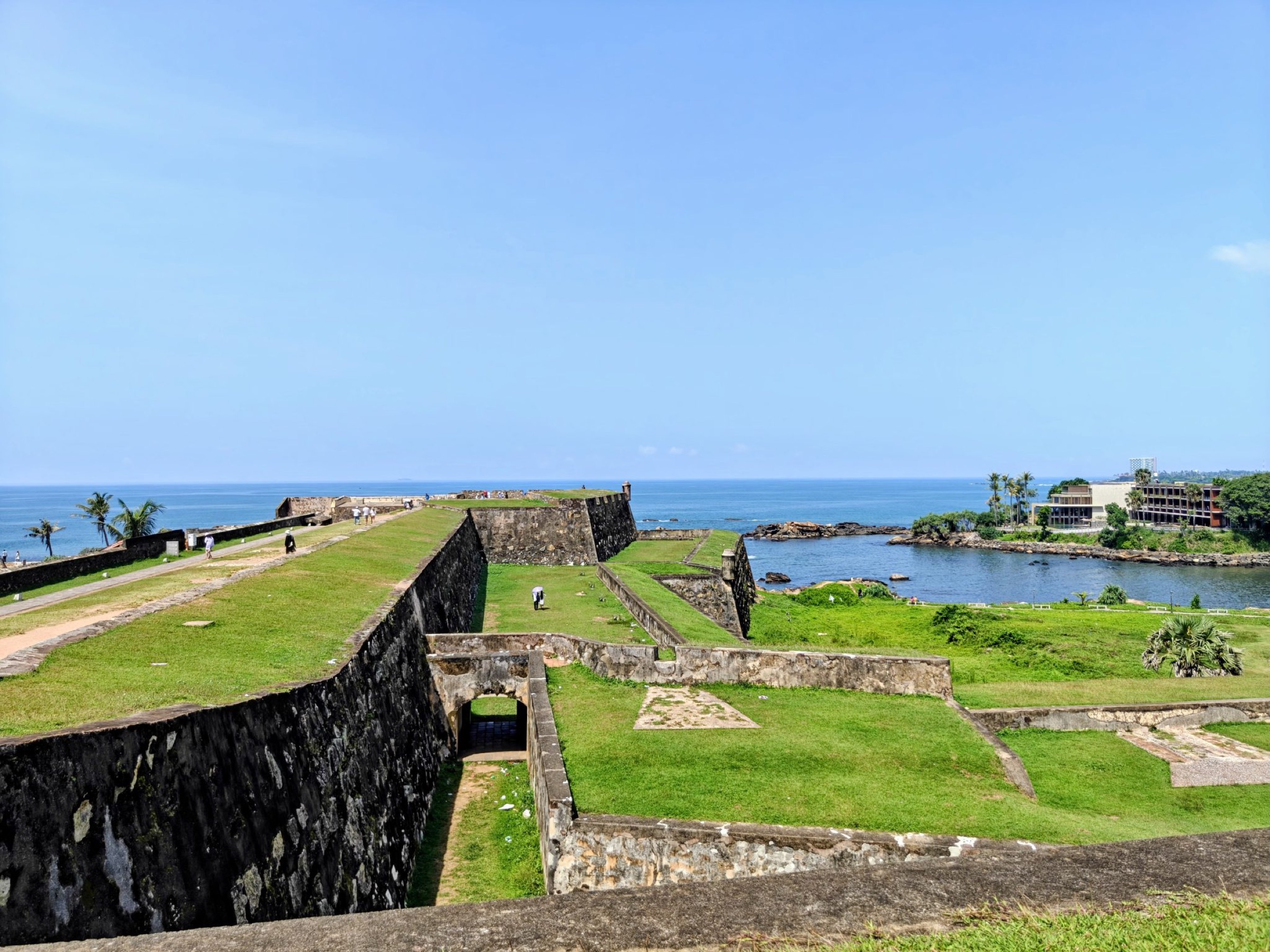
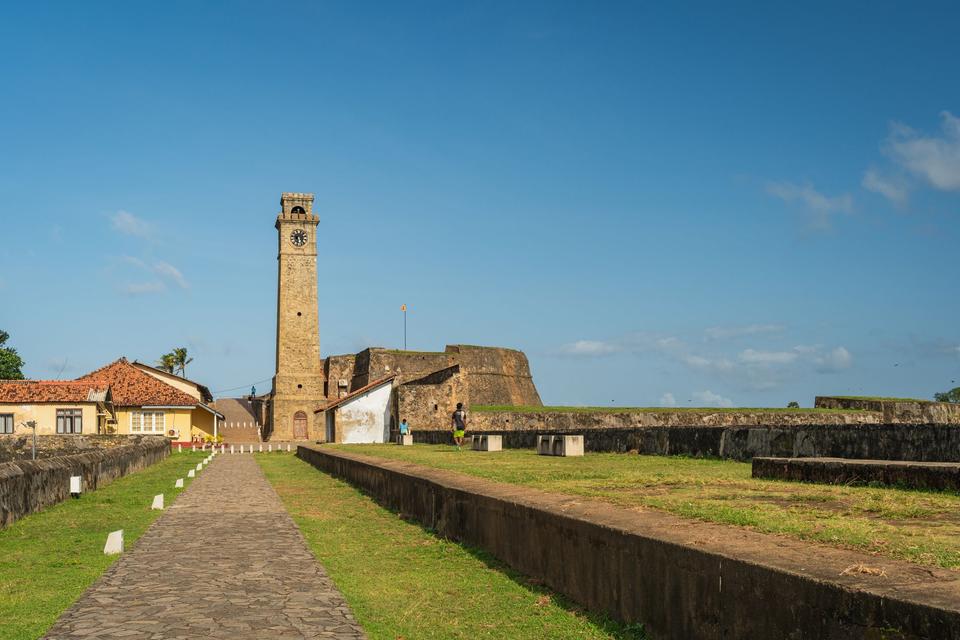
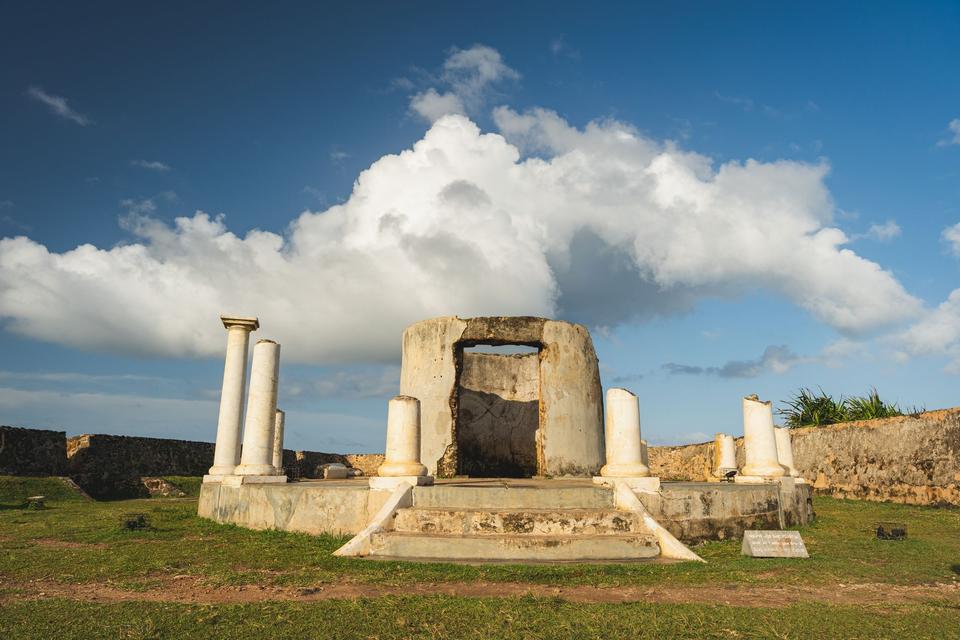
Sri Lanka’s south-west is a study in contrast held within a short drive. On the coast sits Galle, a 16th-century fort first raised by the Portuguese, fortified by the Dutch and inherited by the British — a low-rise grid of verandahed merchant houses, spice-trade churches and a working lighthouse, still inhabited and still a UNESCO World Heritage Site rather than a preserved relic. Beyond its ramparts the Indian Ocean runs east past stilt fishermen, surf beaches and the whale grounds off Mirissa, where blue whales pass within reach of a morning boat.
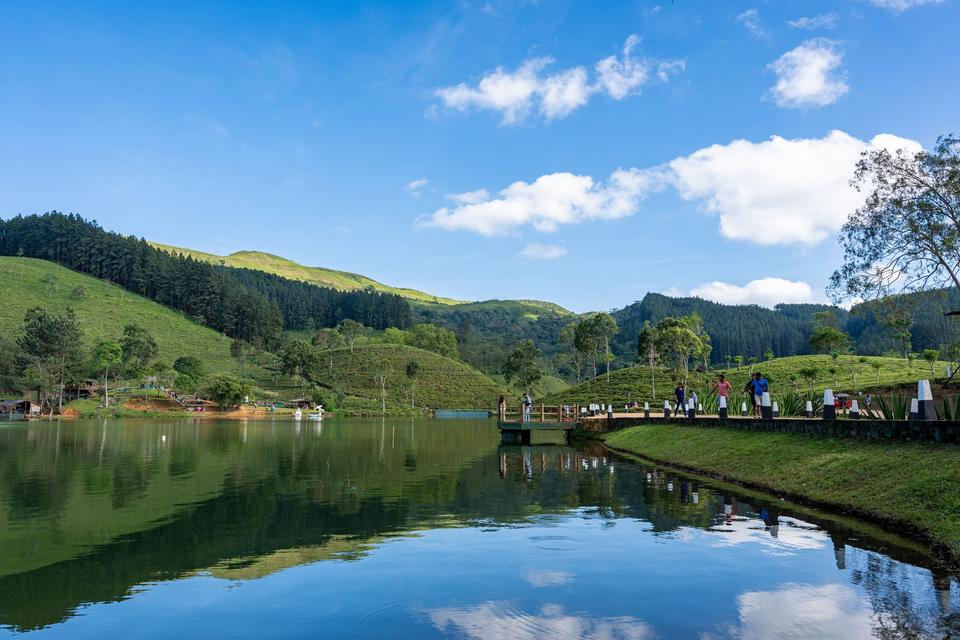
Turn inland and the land rises into the Hill Country, a cool, misted plateau of tea estates planted by the British in the 19th century and still worked today. Here the colonial planters’ bungalows have become some of Asia’s most distinctive places to stay, scattered across Dilmah-owned slopes around Castlereagh Lake at over 1,200 metres. The two registers — humid coastal fort and temperate highland estate — are the reason a week here rarely feels repetitive.
The luxury infrastructure is real but discreet. Aman holds the most storied address inside the fort at Amangalla and the most secluded beach at Amanwella; the Fernando family’s Resplendent Ceylon runs the island’s only Relais & Châteaux properties at Ceylon Tea Trails and Cape Weligama; and a clutch of serious independents fills the gaps. What the destination lacks is a starred restaurant scene — the Michelin Guide does not yet rate Sri Lankan restaurants — so dining is judged on chefs and reputation rather than rosettes, with Dharshan Munidasa’s seafood cooking the readiest benchmark.
Getting around rewards a little planning. The Southern Expressway puts Galle within three hours of Colombo’s international airport; seaplanes and helicopters from Cinnamon Air and Simplifly cut the longer haul up to the Hill Country from half a day to under an hour. The discerning approach is to combine the two worlds — fort and tea estate, ocean and highland — and to let the hotels move you between them.
Ideal for
Cultural travellers who want colonial history paired with serious comfort · Couples seeking a fort-and-tea-country combination · Wellness and Ayurveda seekers · Discerning repeat visitors to Asia looking beyond the obvious
In view
The Setting
Where to stay
The Houses
Amangalla
Aman · Heritage town house · Galle Fort, within the UNESCO ramparts
Set inside a 1684 colonial residence that served 140 years as the New Oriental Hotel, Amangalla is the most storied address within Galle Fort. High-ceilinged rooms, polished teak floors and a verdant garden give it the air of a private great house rather than a hotel, with the Aman Spa and its hydrotherapy suites occupying a serene wing.
Why The single most refined way to sleep inside the ramparts, with Aman service holding a 340-year-old building to exacting standard.
Ceylon Tea Trails
Resplendent Ceylon (Relais & Châteaux) · Tea-planter bungalow estate · Bogawantalawa Valley, around Castlereagh Lake, Hatton (Hill Country)
The world's first tea-bungalow resort: five restored colonial planters' residences and a private cottage scattered across 2,000 acres of working Dilmah tea estate at 1,250m, bordering the Central Highlands World Heritage area. Each bungalow runs as a private house with its own butler, chef and houseboys, all-inclusive of meals, drinks, afternoon tea and most experiences.
Why The definitive Hill Country stay — a working tea estate run as a string of private country houses, and one of only two Relais & Châteaux properties on the island.
Cape Weligama
Resplendent Ceylon (Relais & Châteaux) · Clifftop villa resort · Weligama promontory, east of Galle on the south coast
Thirty-nine suites and standalone villas spread across a clifftop promontory above the Indian Ocean, each with veranda, steam room and private or semi-private garden. The crescent moon pool hangs over the sea, and the kitchen leans on the day's local catch alongside Sri Lankan and international cooking.
Why The south coast's most polished resort and the natural ocean counterpoint to Ceylon Tea Trails under the same Dilmah-family ownership; a Condé Nast Traveller Triple Crown holder.
Amanwella
Aman · Beach resort · Tangalle, south coast (roughly 90 minutes east of Galle)
Thirty contemporary suites step down a coconut-fringed hillside to a curving beach of golden sand, each with a private plunge pool and sea-facing terrace. The architecture nods to Geoffrey Bawa, and a long ocean-side pool anchors the resort's quiet seclusion.
Why The most secluded Aman beach option on the south coast, designed to be paired with Amangalla for a fort-and-sand sequence.
Fort Bazaar
Teardrop Hotels · Boutique heritage hotel · Church Street, Galle Fort
An 18-room former spice-merchant's townhouse, sensitively restored around a calm central courtyard within the fort walls. Church Street restaurant turns out a confident mix of Sri Lankan and regional cooking, and a compact spa rounds out the offering.
Why The smartest independent boutique inside the fort — contemporary comfort within authentic walls, from a thoughtful Sri Lankan luxury collection.
Tri Lanka
Independent (Teardrop Hotels) · Design lake retreat · Koggala Lake, near Ahangama (inland from the south coast)
A 15-room architectural retreat rising on a six-acre cinnamon-clad hill above Koggala Lake, built around a spiralling water tower with strong sustainability credentials — local and recycled timber, solar power. The spare, contemporary design and lake outlook set it apart from the fort's colonial register.
Why For travellers who want design-led calm and a lake rather than colonial heritage — a striking modern counterweight to a Galle Fort base.
Where to dine
The Tables
The Tuna & The Crab
Japanese-Sri Lankan seafood · Restaurant
Sri Lanka's best-known chef applying Japanese precision to the island's seafood; the olive-oil-and-soy sashimi and crab pasta are the signatures.
Aqua Forte
Italian · Restaurant
The fort's serious Italian table — pan-fried octopus, house ravioli and Australian striploin done with conviction inside the ramparts.
The Arch
Contemporary seafood · Restaurant and raw bar
Sharing plates from the day's catch with an oyster bar and a considered whisky list — among the most polished newer openings in the fort.
Wijaya Beach
Seafood and wood-fired pizza · Beach restaurant-bar
The enduring beach lunch east of the fort — fresh seafood, famous pizzas and cocktails with feet near the sand.
The Zaal at Amangalla
Sri Lankan and international · Hotel dining room
The most atmospheric dining room in the fort, and the address for a proper colonial-style afternoon tea.
Church Street Social (Fort Bazaar)
Sri Lankan and regional · Courtyard restaurant
Reliable, contemporary Sri Lankan cooking in one of the fort's prettiest courtyards — a dependable dinner that isn't a hotel afterthought.
Ropewalk
Cocktail bar · Speakeasy bar
The fort's most considered drinking den, championing Ceylon arrack in proper cocktail form — the right nightcap after dinner on the ramparts.
What to do
Experiences
Private blue-whale charter off Mirissa and Weligama
Private charter; book ahead in seasonMarine
A chartered early-morning boat from Mirissa harbour onto the south-coast feeding grounds, among the most reliable places on earth to see blue whales, with sperm whales, Bryde's whales and spinner dolphins also in the water from December to April. A private charter avoids the crowded shared boats and can continue to Weligama Bay for swimming and lunch near Taprobane Island.
Why The largest animal that has ever lived, seen from your own boat rather than a packed catamaran — and timed to the morning calm.
Walking the Galle Fort ramparts at dawn or dusk
Private guide by arrangementCultural
A private, expert-led circuit of the 16th–17th-century Dutch ramparts and bastions, threading the lighthouse, the old Dutch churches, spice-merchant houses and the clock tower. Best taken at first light or golden hour when the fort empties of day visitors and the sea light is at its most flattering.
Why The fort is a living UNESCO town, not a museum; a good guide turns a pretty walk into 400 years of Portuguese, Dutch and British layering.
Tea estate pluck-to-cup experience, Bogawantalawa Valley
Resort-arranged, small-group or privateCulinary / cultural
A guided morning on a working Dilmah estate around Castlereagh Lake — joining the pluckers, following the leaf through withering, rolling and firing in the factory, and a structured tasting led by an estate resident. Arranged in-house at Ceylon Tea Trails, or at Dilmah's Craighead estate.
Why Ceylon tea understood from the bush rather than the teapot, on the estates that built the Hill Country's colonial architecture.
World's End and Horton Plains private trek
Private guide; national-park entry fees applyAdventure / nature
An early start onto the high plateau of Horton Plains National Park, above 2,000m, walking through montane grassland and cloud forest to the sheer escarpment of World's End — a near-vertical drop with views to the southern plains and, on clear mornings, the coast. A private guide and pre-dawn departure beat both the crowds and the late-morning mist.
Why The Hill Country's signature walk, and the payoff for staying in the highlands rather than only at the coast.
Geoffrey Bawa's Lunuganga garden visit, Bentota
By appointment; en route between Galle and ColomboCultural / design
A private tour of Lunuganga, the celebrated tropical-modernist country estate the architect Geoffrey Bawa shaped over more than forty years on the banks of Dedduwa Lake. The garden is the foundational text of Sri Lankan architecture, and an overnight in one of its rooms is possible for the truly committed.
Why The single most important work of Sri Lankan design, and the lens through which the island's best hotels make sense.
Stilt-fisherman coast and Koggala Lake by private boat
Private boat and guideCultural / scenic
A quiet morning along the south-coast beaches where the traditional stilt fishermen still perch, paired with a private boat across Koggala Lake to its cinnamon islands, a small temple and a hand-rolled cinnamon-peeling demonstration. Less performance than the tour-bus stops further west when arranged privately at the right hour.
Why Two of the south's defining images — stilt fishing and the cinnamon trade — seen without the coachloads.
Shopping
The Maisons
Galle Fort lanes (Pedlar, Church and Leyn Baan Streets)
The fort's grid of colonial lanes holds the south's best concentration of independent design, gem dealers and homeware studios — a walkable, low-rise alternative to a mall. Quality ranges widely, so the names below are the dependable ones.
Ceylon tea and spice merchants
Galle and the Hill Country are the natural place to buy single-estate Ceylon tea and spices at source rather than from airport tins. Dilmah's estate boutiques and the fort's specialist tea shops carry single-origin leaf; cinnamon, cardamom and pepper come freshest from the south-coast spice gardens.
By appointment
Ceylon sapphire and gem dealers in Galle Fort — buy only from established, certificate-issuing houses and have stones independently verified before purchase · Bespoke linen and resort-wear tailoring through fort boutiques (lead time required)
Arrival & departure
Coming & Going
Airports
The island's primary international gateway, at Katunayake north of Colombo. The Southern Expressway makes Galle a straightforward transfer; the Hill Country is a longer 4–5 hour drive or a Cinnamon Air / Simplifly hop.
Secondary Colombo airport increasingly used for domestic, regional and private/charter movements — relevant for private aviation and helicopter positioning.
The nearest air access to Galle: served by Cinnamon Air domestic flights and Simplifly, plus seaplane operations on the lagoon. The fastest way to skip the road transfer from Colombo.
Quiet second international airport serving the deep south; occasional scheduled and charter use, and a Cinnamon Air domestic destination.
Private terminals
- Cinnamon Air operates its own domestic terminal at Bandaranaike International Airport (Katunayake)
Meet & greet · gate escort
- Hotel and ground-operator meet-and-greet on arrival at CMB is standard at this level
- Simplifly and Cinnamon Air provide meet-and-greet with onward transfer coordination at BIA
First-class & arrivals lounges
- Araliya and other contract lounges at CMB
- Premium-cabin and Priority Pass lounges at CMB international terminal
Private transfers
- Chauffeured car or SUV from CMB to Galle via the Southern Expressway (E01), roughly 2.5–3 hours
- Resort-arranged private transfers between Galle, the south coast and the Hill Country
- Inter-resort transfers (e.g. Amangalla to Amanwella, or to Ceylon Tea Trails) arranged by the hotels
Private aviation
- Cinnamon Air — scheduled and private charter on Cessna Grand Caravans, including amphibian seaplanes, hub at BIA
- Simplifly (formerly Deccan Aviation Lanka) — helicopter, fixed-wing and seaplane charter to Koggala, Hatton, Nuwara Eliya and the south
- Helicopter charter is the fastest link between Colombo, the south coast and the Hill Country, bypassing long mountain drives
Immigration fast-track
Fast-track immigration and arrivals assistance at CMB is available through ground operators and premium concierge services rather than a formal published government programme — arrange privately in advance.
Good to know
Questions & Answers
When is the best time to visit Galle & the Hill Country? +
December to March is the south-west monsoon's dry window — the prime season for Galle, the south coast beaches, and blue-whale watching off Mirissa, with the Hill Country clear and cool. The Hill Country is rewarding year-round given its elevation, but April carries the cultural highlight of Sinhala and Tamil New Year. Avoid May to September on the south coast, when the south-west monsoon brings heavy rain and rough seas; the cultural triangle and east coast are the dry-season alternatives then.
How many nights should you spend in Galle & the Hill Country? +
8 nights is the sweet spot; 5 at a minimum, and up to 12 if you want to take it slowly.
What are the best luxury hotels in Galle & the Hill Country? +
The Grand Index ranks 6 houses in Galle & the Hill Country. The ultra-premier tier: Amangalla, Ceylon Tea Trails, Cape Weligama, Amanwella. Each is bookable through our advisor at the same rate as direct, with VIP perks layered on.
Which airport do you fly into for Galle & the Hill Country? +
Bandaranaike International Airport (Colombo) (CMB); Ratmalana International Airport (Colombo) (RML); Koggala Airport / Koggala Lagoon Water Aerodrome (KCT); Mattala Rajapaksa International Airport (Hambantota) (HRI).
Can I book Galle & the Hill Country hotels through The Grand Index? +
Yes. Our advisor books every house featured here through Fora, a Virtuoso member agency, at the same rate you would pay direct — with VIP perks such as room upgrades, daily breakfast and a property credit layered on at no extra cost. Begin at the enquiry page.
Where to next
You might also like
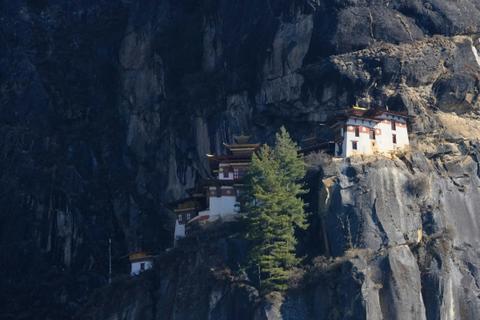
South Asia
Bhutan
Bhutan
The last Buddhist kingdom, guarded by mountains and measured in happiness.
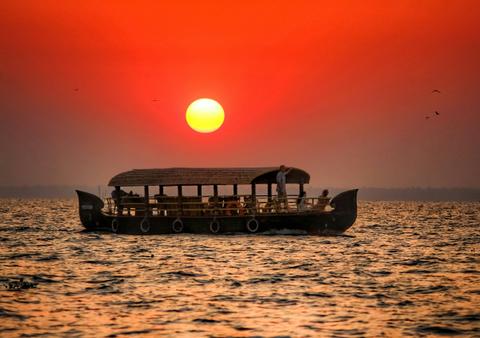
South Asia
Kerala
India
Backwaters, tea country and a colonial harbour, taken slowly.
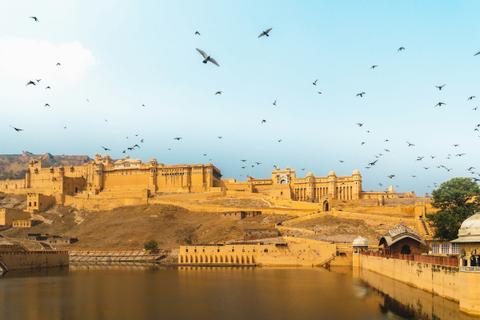
South Asia
Jaipur
India
The Pink City, where India's royal houses still keep court behind palace walls.