Southeast Asia · Cambodia
Siem Reap
The threshold to Angkor, kept low-key by design.
Plan this trip →- Suggested stay
- from 3 · 4 ideal · up to 6 nights
- Currency
- Cambodian riel (KHR); US dollars accepted and widely used
- Language
- Khmer, English (widely spoken in hospitality), French (limited, legacy)
- Best season
- November through February, the cool, dry season — clear skies, comfortable mornings for temple visits, and the lowest humidity. December and January are the peak; book the small properties (Amansara has 24 suites) well ahead. The green season (June–October) brings dramatic skies, a full Tonlé Sap, and lush, flooded moats, at the cost of afternoon downpours and heat.
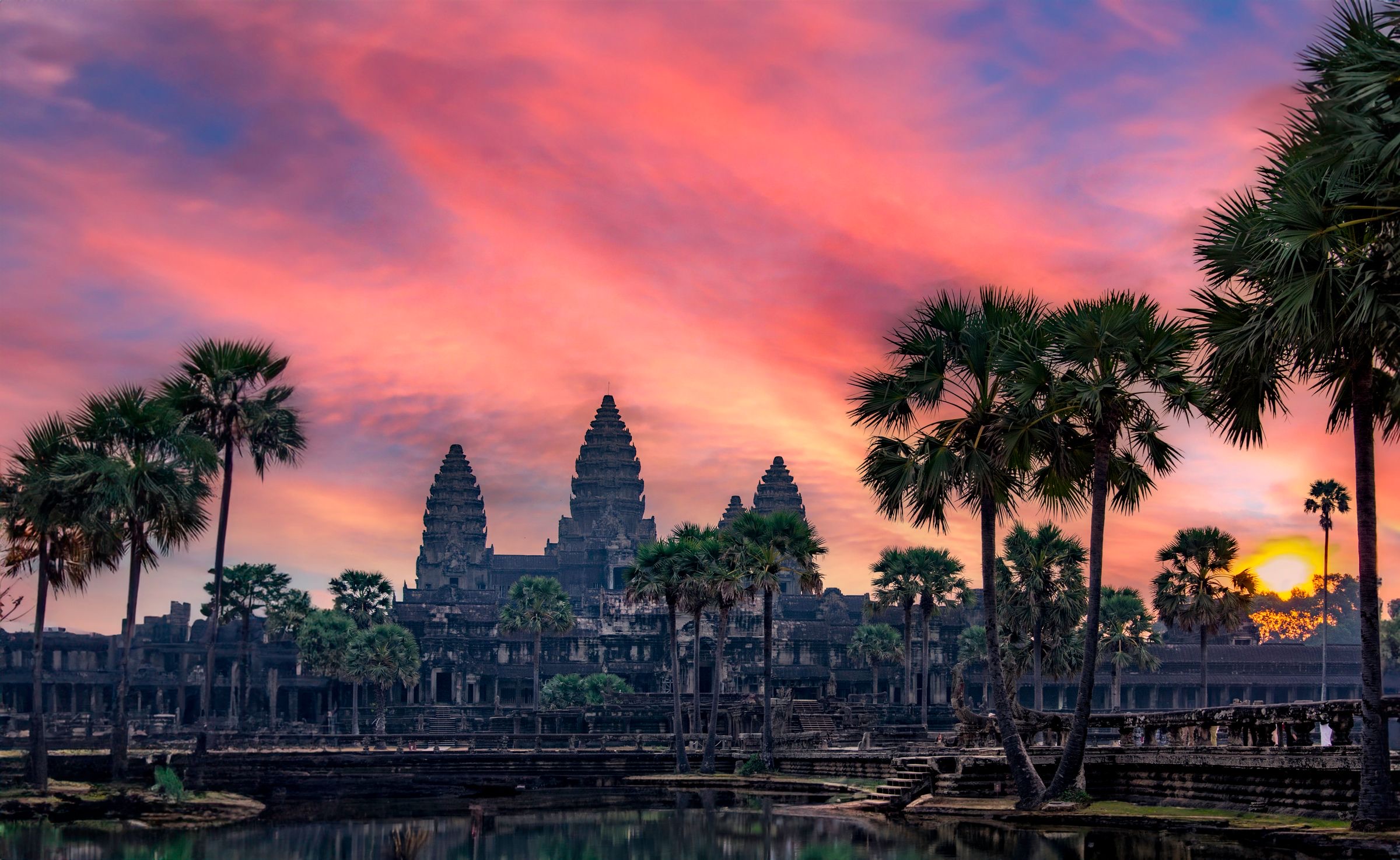
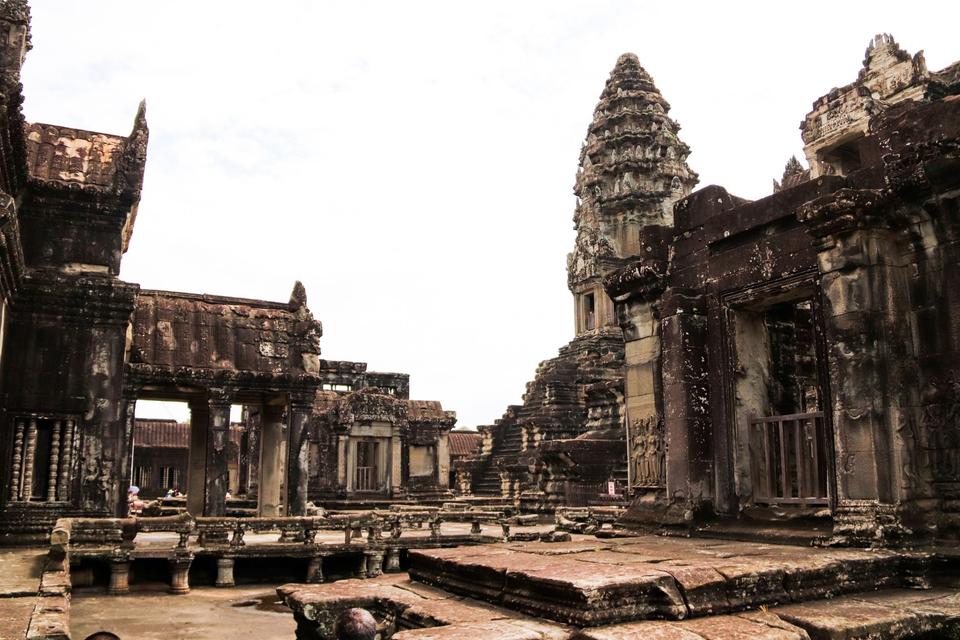
Siem Reap exists for one reason, and it has the grace not to pretend otherwise. It is the threshold to Angkor — the largest religious monument on earth and the capital of an empire that, at its height, ruled most of mainland Southeast Asia. The town itself is low-rise and walkable, threaded by a slow brown river and shaded by tamarind; the spectacle lies a few kilometres north, in the moated temple-city the Khmer kings built between the ninth and fifteenth centuries. Everything a discerning traveller does here orbits that fact, and the best of the town’s hospitality understands its role as antechamber rather than attraction.
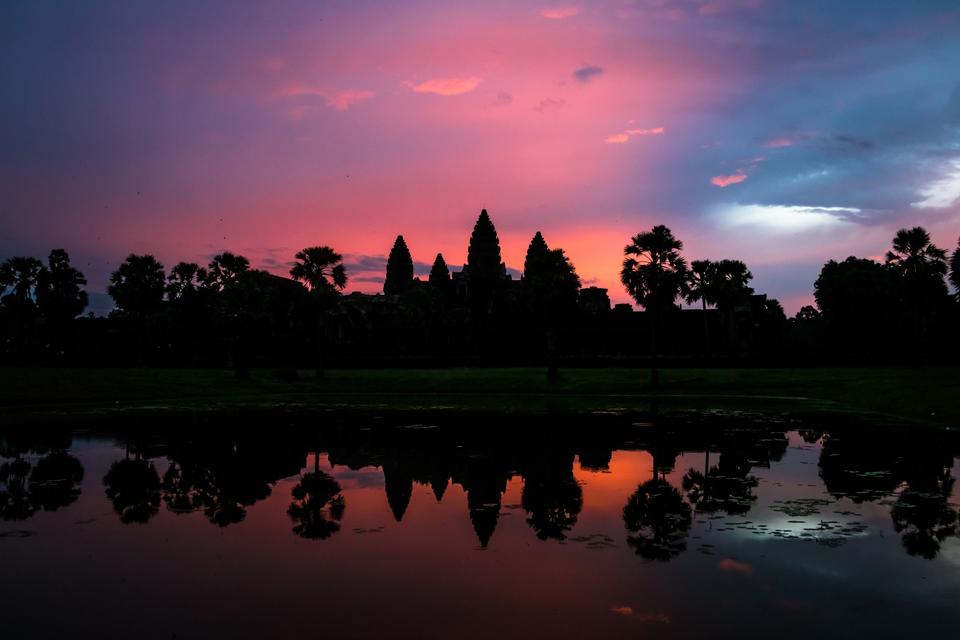
The rhythm of a stay is dictated by the heat and the light. Mornings begin before dawn — the western causeway of Angkor Wat as the sky turns, the serene faces of the Bayon, the strangler figs of Ta Prohm — and are over by mid-morning, when the sun climbs and the crowds thicken. The middle of the day belongs to the pool, the spa and a long lunch; the temples are best left to the afternoon’s softer light or skipped in favour of the Tonlé Sap, the artisan ateliers, or a helicopter circuit that reveals the empire’s hydraulic geometry from above. Dinner is where the modern country asserts itself: Siem Reap has quietly become the home of a serious, distinctly Cambodian fine-dining movement, led by figures such as Joannès Rivière at Cuisine Wat Damnak and the Kimsan twins at Embassy. It is worth noting that no Michelin guide yet reaches Cambodia, so these tables carry their reputations on peer recognition rather than stars — which, for the curious eater, is part of the appeal.
Where to base oneself is a choice of register. Amansara, a former royal guest villa run with Aman’s particular discretion, is the connoisseur’s answer — 24 suites and a touring programme that puts a private guide and remorque at the door twice a day. The Raffles Grand Hotel d’Angkor offers the opposite pleasure, a 1932 grande dame restored to host the present as graciously as it once hosted Chaplin and the Kennedys. Between them sit the design-led town hotels and the rural villa retreats for those who want paddy fields and silence between temple mornings. None of it is loud; the local idiom is understatement, and the city rewards travellers who match it.
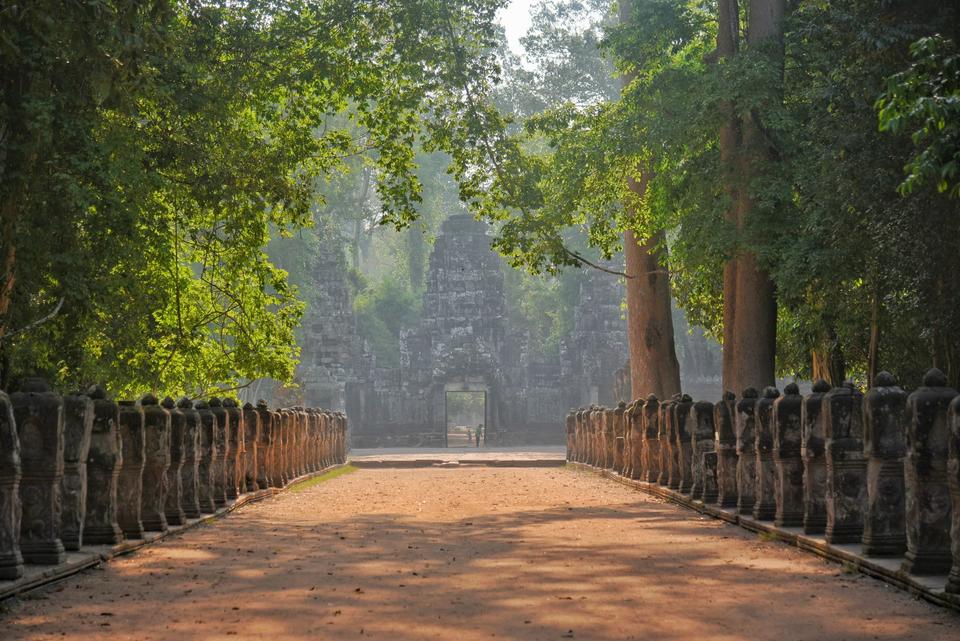
Three nights is the working minimum; four is the considered ideal, leaving room for the remote, unrestored temples — Beng Mealea swallowed by jungle, Koh Ker’s stepped pyramid, inscribed by UNESCO only in 2023 — that most visitors never reach. A note of realism on arrival: the new Siem Reap–Angkor International Airport, opened in late 2023, sits some 40 to 50 kilometres out, a deliberate distance that keeps aircraft away from the temples at the cost of a longer transfer. It is a small price for what waits at the end of the road, and a fair emblem of the place — a destination that asks for a little patience and repays it without limit.
Ideal for
Cultural travellers and temple devotees · Wellness-minded couples seeking quiet luxury · Photographers and architecture enthusiasts · Multigenerational families with a private guide
In view
The Setting
Where to stay
The Houses
Amansara
Aman · Heritage design retreat · Central Siem Reap, on the former royal road to Angkor
Once King Norodom Sihanouk's guest villa, this 1960s New Khmer Modernist residence is now Aman's most intimate property — just 24 suites set around two curvilinear pools and a soaring circular dining room. Discretion is the operating principle: the compulsory touring charge includes twice-daily private temple expeditions by the resort's custom remorques with a personal guide.
Why The single most considered address in Cambodia — a former royal residence run with Aman's quiet rigour and unmatched temple access.
Raffles Grand Hotel d'Angkor
Raffles (Accor) · Grande dame heritage hotel · French Quarter, facing the Royal Gardens
Opened in 1932 to receive the first explorers of Angkor, the Grand is Southeast Asia's heritage benchmark — six hectares of gardens, a vast restored saltwater pool, and the original Otis cage lift. A delicate 2019–2022 restoration refreshed its 119 rooms and suites while preserving the colonial-era bones that hosted Charlie Chaplin and Jacqueline Kennedy.
Why Living history with full modern comfort — the grandest stage in the city, and the only kitchen serving traditional Royal Khmer cuisine.
Park Hyatt Siem Reap
Park Hyatt (Hyatt) · Design town-house hotel · Sivutha Boulevard, central, walkable to Old Market
A Bill Bensley-designed sanctuary in the heart of town, arranged around interconnecting courtyard pools that keep the city at arm's length. The 104 rooms are restrained and contemporary; the central location makes it the most practical luxury base for those who want to walk to dinner.
Why The polished, dependable choice in the centre of town — design-led calm a short walk from the city's best dining.
Zannier Hotels Phum Baitang
Zannier Hotels · Village-style resort · Rural setting amid rice paddies, ~15 minutes from town
Phum Baitang — 'green village' in Khmer — spreads 45 stilted wooden villas across eight hectares of working rice paddy and lemongrass fields on the city's rural fringe. It is the antithesis of the in-town hotels: a slow, pastoral counterpoint built for couples who want space and silence between temple mornings.
Why Rural seclusion and genuine space — the strongest choice for those who want the countryside rather than the town.
Shinta Mani Angkor – Bensley Collection
Shinta Mani (Bensley Collection) · Pool-villa boutique · Royal District, near the Royal Residence
Bill Bensley's all-villa pocket retreat hides ten private-pool villas behind high walls in the leafy Royal District, each a black-and-white Angkorian-modern composition. The associated Shinta Mani Foundation channels guest revenue into local hospitality training and community projects — luxury with a working conscience.
Why Maximal privacy on a small footprint, with a genuine philanthropic backbone — Bensley at his most intimate.
Jaya House River Park
Owner-run sustainable boutique · Riverside, on the road toward the temples
An owner-run, 36-room sanctuary that has been single-use-plastic-free since opening and has planted thousands of trees across Siem Reap. Two pools, a heartfelt spa with a complimentary daily massage, and warm, unforced service make it the conscience choice — small luxury with a deeply local commitment.
Why The most personal stay in the city — independent, principled, and quietly excellent.
Where to dine
The Tables
Cuisine Wat Damnak
Modern Cambodian (degustation) · Fine-dining tasting house
Chef Joannès Rivière's seasonal Khmer tasting menus in a wooden village house — the country's defining fine-dining table.
Embassy by Chef Kimsan
Khmer gastronomy (degustation) · Fine-dining tasting menu
The Kimsan twins' monthly-changing menu elevates ancient Khmer recipes; a landmark for women in Cambodian gastronomy.
1932 at Raffles Grand Hotel d'Angkor
Royal Khmer · Hotel fine dining
Court cuisine in a 1932 heritage setting — the most formal Khmer table in the city.
Pou Restaurant & Bar
Contemporary Khmer · Bistro / wine bar
Refined, ingredient-led Cambodian cooking in an intimate old wooden house — the locals' fine-dining secret.
The Dining Room at Park Hyatt
French-Khmer · Hotel restaurant
Polished French technique threaded with Khmer flavour, in a serene central courtyard.
The Mansion at FCC Angkor by Avani
Khmer & Asian fusion · Riverside restaurant & terrace
Khmer and pan-Asian cooking on a colonnaded terrace overlooking the river — an atmospheric early-evening table.
What to do
Experiences
Private dawn at Angkor Wat with a temple scholar
By arrangement through your hotel; private guide and vehicleCultural / private guiding
A pre-5am departure to reach the western causeway before the crowds, with a specialist guide reading the bas-reliefs and cosmology as the light comes up over the central towers, then continuing to the Bayon and jungle-clasped Ta Prohm before the day heats.
Why The single essential experience — Angkor at first light, interpreted by someone who can decode it, before the buses arrive.
Scenic helicopter flight over Angkor
Private charter via Helistar CambodiaAerial / charter
A circuit flight tracing the moat of Angkor Wat and taking in Phnom Bakheng, Srah Srang, Pre Rup and the East Mebon from the air, with options extending across the city to the Tonlé Sap floating villages. The aerial vantage reveals the hydraulic geometry of the Khmer Empire that ground level conceals.
Why The only way to grasp the true scale and the engineered landscape of the temple city — Cambodia's licensed operator with expat pilots.
Private sunset boat on the Tonlé Sap
Private chartered vessel with guideBoat / nature
A late-afternoon cruise to a stilted village such as Kampong Phluk — tall houses on twelve-metre legs, a flooded mangrove forest navigable by sampan, and sunset over the largest freshwater lake in Southeast Asia, with no other boats in the frame on a private hire.
Why A direct, unvarnished view of life on the great lake, away from the day-tripper jetties.
Remote temple expedition — Beng Mealea & Koh Ker
Full-day private guide and 4x4Cultural / overland
A day beyond the main park to the jungle-swallowed galleries of Beng Mealea and the stepped pyramid of Koh Ker, the latter inscribed by UNESCO in 2023. Largely unrestored and lightly visited, they offer the explorer's Angkor that the central temples no longer can.
Why Unrestored, near-empty temples in the forest — for those who have seen the headline sites and want the frontier.
Phare, The Cambodian Circus
Reserved premium seatingPerformance / cultural
Not a circus of animals but of storytelling — acrobatics, live music, fire and aerial work performed under a small tent by graduates of an arts school founded by Khmer Rouge survivors. The intimacy and the social mission make it the city's most affecting evening.
Why A genuinely moving performance with real provenance — book the premium tier for the best of the small house.
Artisan ateliers — Theam's Gallery & Angkor Silk Farm
Private studio visitsCraft / by appointment
A morning with living Khmer craft: master artist Lim Muy Theam's lacquer-and-sculpture gallery-home, and the Artisans Angkor silk farm in Puok, where the full chain from mulberry to woven ikat plays out under one roof.
Why The cultural counterweight to the temples — contemporary Khmer artistry at its source, away from the souvenir trade.
Shopping
The Maisons
Old Market (Psar Chas) & the riverside lanes
The historic commercial heart, where the genuine finds are in the surrounding lanes rather than the produce market itself — silver, antiques, woven scarves and the city's best independent boutiques cluster within a short walk of the river.
Kandal Village
A revived block of former shophouses turned over to design-conscious independents: Khmer-made homeware, natural skincare, slow-fashion linen and curated craft. The most considered retail in the city and the antidote to the night-market churn.
Artisan ateliers (Artisans Angkor / Theam's Gallery)
Not a district but the source itself — the Artisans Angkor workshop and silk farm and Theam's Gallery sell directly from the makers, where provenance and quality are guaranteed.
By appointment
Theam's Gallery — private viewing of lacquer and sculpture with the studio · Artisans Angkor — bespoke silk and stone-carving commissions
Arrival & departure
Coming & Going
Airports
Opened 16 October 2023, replacing the old in-town airport (REP), which is now closed to commercial traffic. The longer transfer is the trade-off for protecting the temples from low-altitude flight paths. International connections route principally via Bangkok, Singapore and Ho Chi Minh City; there is no widebody long-haul service, so most arrivals connect through a regional hub.
Private terminals
- A VIP lounge and general-aviation handling are available at SAI; a dedicated branded private terminal/FBO is not confirmed — arrange handling through your operator in advance
Meet & greet · gate escort
- Hotel-arranged airport representatives meet arrivals at the terminal; Amansara, Raffles and Park Hyatt all provide greeters and expedited assistance
- Immigration meet-and-assist can be pre-booked through luxury hotels and DMCs
First-class & arrivals lounges
- Airport VIP lounge at SAI
- Premium-cabin and Priority Pass lounge access in the international terminal
Private transfers
- Chauffeured private cars and SUVs (standard hotel transfer for the ~45–60 min run from SAI)
- Amansara's signature custom remorque (tuk-tuk) for in-town and temple touring
- Private boat charters on the Tonlé Sap
- Helicopter transfers and scenic charters via Helistar Cambodia
Private aviation
- SAI accepts private jet and business-aviation movements; charter brokers (PrivateFly, Victor and others) service the airport
- Confirm slots, parking and ground handling well ahead — general-aviation infrastructure is newer and more limited than at regional hubs such as Bangkok or Singapore
Immigration fast-track
Visa-on-arrival and e-visa available for most nationalities; pre-arranged fast-track immigration and porterage can be booked through hotels and DMCs.
Good to know
Questions & Answers
When is the best time to visit Siem Reap? +
November through February, the cool, dry season — clear skies, comfortable mornings for temple visits, and the lowest humidity. December and January are the peak; book the small properties (Amansara has 24 suites) well ahead. The green season (June–October) brings dramatic skies, a full Tonlé Sap, and lush, flooded moats, at the cost of afternoon downpours and heat.
How many nights should you spend in Siem Reap? +
4 nights is the sweet spot; 3 at a minimum, and up to 6 if you want to take it slowly.
What are the best luxury hotels in Siem Reap? +
The Grand Index ranks 6 houses in Siem Reap. The ultra-premier tier: Amansara, Raffles Grand Hotel d'Angkor. Each is bookable through our advisor at the same rate as direct, with VIP perks layered on.
Which airport do you fly into for Siem Reap? +
Siem Reap–Angkor International Airport (SAI).
Can I book Siem Reap hotels through The Grand Index? +
Yes. Our advisor books every house featured here through Fora, a Virtuoso member agency, at the same rate you would pay direct — with VIP perks such as room upgrades, daily breakfast and a property credit layered on at no extra cost. Begin at the enquiry page.
Where to next
You might also like
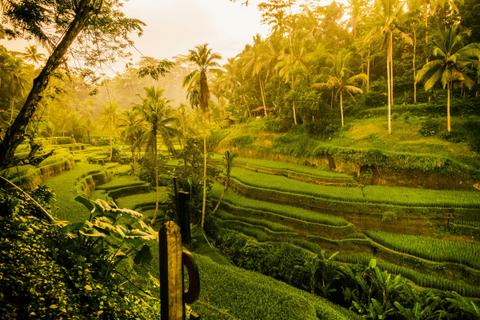
Southeast Asia
Bali
Indonesia
A volcanic island where Hindu ritual, jungle and clifftop coast meet a quietly serious luxury hospitality scene.
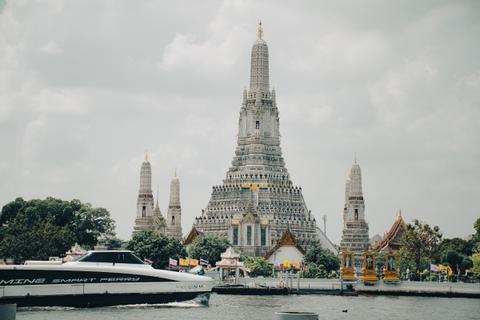
Southeast Asia
Bangkok
Thailand
Where a river city of gilded temples and vertical glass has quietly become one of the world's great hotel and dining capitals.
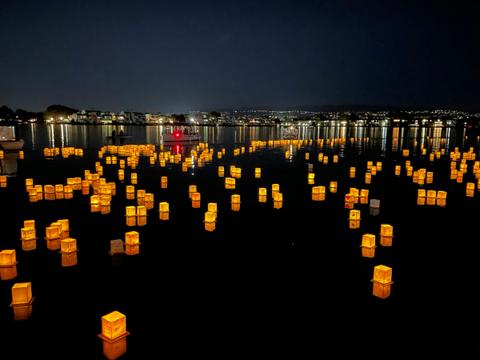
Southeast Asia
Hoi An
Vietnam
A lantern-lit trading port where Vietnam's heritage meets its finest beach resorts.