Mediterranean · Italy
Rome
The Eternal City, lived from the inside.
Plan this trip →- Suggested stay
- from 3 · 5 ideal · up to 7 nights
- Currency
- Euro (EUR)
- Language
- Italian, English
- Best season
- Late April through June and mid-September into November. Spring brings warm light and the wisteria of the historic centre before the high-summer crowds; early autumn offers settled weather, the truffle and artichoke seasons, and a city that has exhaled after August. July and August are hot and emptied of Romans, with many of the best trattorie closed; the deep winter is quiet, atmospheric and well-priced, with Christmas through Epiphany a particular charm.
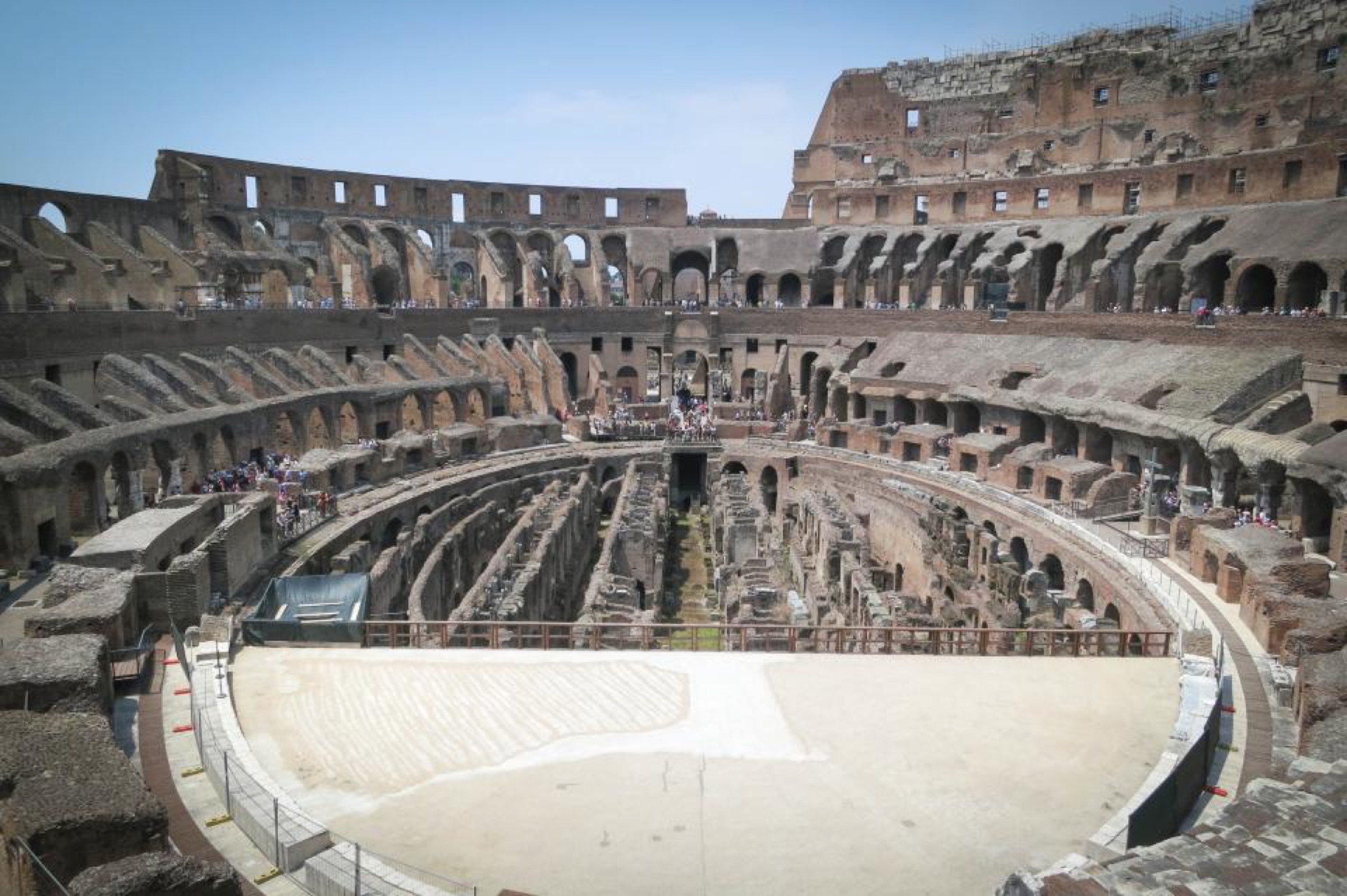
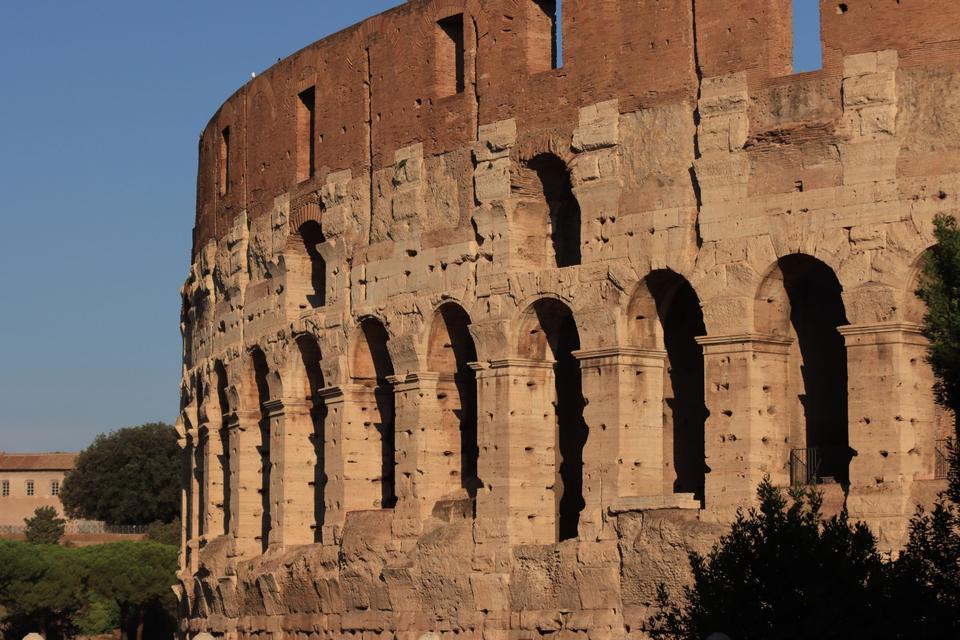
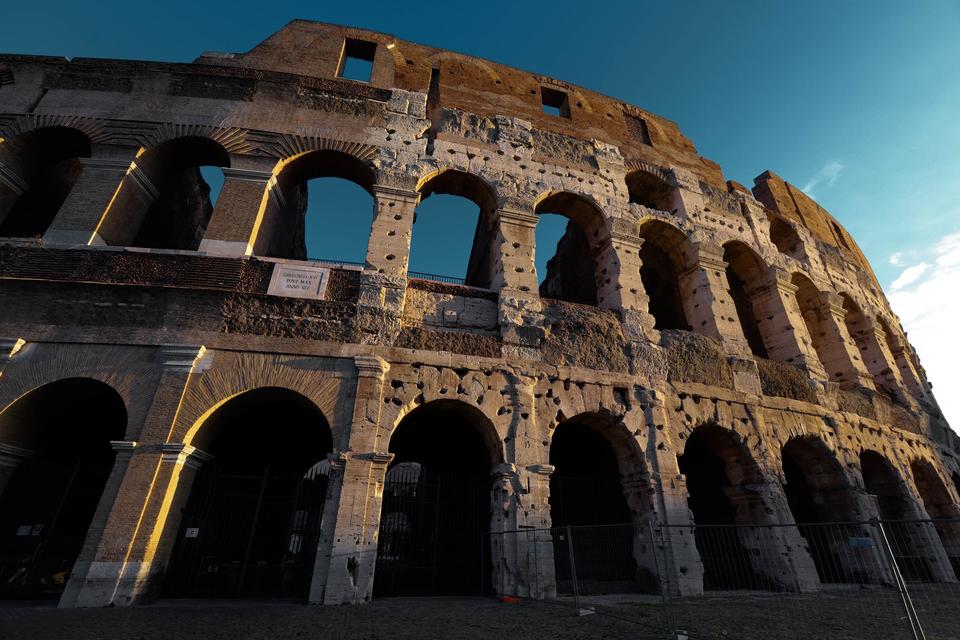
Rome rewards the traveller who already knows it. The first visit is given over to the monuments — the Colosseum, the Vatican, the Trevi Fountain, the obligatory circuit dispatched between crowds — but the city only truly opens on the second or third stay, when the great sights become a backdrop rather than a checklist and the real pleasure shifts to the rhythm of Roman life: the morning coffee taken standing at the bar, the long lunch, the evening passeggiata through floodlit piazzas that have looked much the same for four hundred years. It is a layered city in the literal sense, classical beneath baroque beneath modern, and the finest hotels now make that legibility part of the experience, with fourth-century baths visible beneath glass floors and mausolea framed from rooftop terraces.
The luxury landscape has been transformed in recent years. To the long-established grand hotels — the Eden above the Spanish Steps, the garden-blessed de Russie, the Belle Époque St. Regis — have been added a new generation: Bulgari’s assured Roman flagship facing the Mausoleum of Augustus, and Six Senses, which brought a wellness sensibility and genuine archaeology to a restored palazzo near the Trevi. The dining scene runs the full register, from Heinz Beck’s three-star La Pergola, the city’s culinary summit, down to the family trattorie near the Pantheon where the Roman repertoire of cacio e pepe, carbonara and coda alla vaccinara is guarded and unchanging. Both registers matter; an itinerary weighted only to the starred rooms would miss the point of how Romans eat.
The city is best experienced slowly and from the inside. Private after-hours access to the Vatican or a dawn-quiet morning at the Borghese turns the canonical sights into something close to a private view; a Vespa threading the cobbled lanes covers ground impossible on foot; an evening walk past the illuminated baroque fountains shows the theatre of the place at its best. The historic centre is compact and walkable, which is its great luxury — the best hotels sit within the Tridente or a short stroll of it, and a stay is measured less in sights ticked off than in the unhurried pleasure of being there.
Five nights is the ideal — enough to balance the essential monuments against the slower pleasures, with a day for the Borghese, a long lunch or two, time for the shops along Via dei Condotti and an excursion if desired. Three nights is the workable minimum for a focused city break; a week suits the repeat visitor content to live as a temporary Roman. Spring and early autumn are the seasons to aim for, when the light is at its most flattering and the city has not yet emptied for the August heat.
Ideal for
Art and history connoisseurs · Devoted culinary travellers · Couples seeking a sophisticated city break · Repeat visitors who want Rome beyond the monuments
In view
The Setting
Where to stay
The Houses
Bulgari Hotel Roma
Bulgari Hotels & Resorts · Contemporary palazzo, urban · Via del Babuino / Piazza Augusto Imperatore, Campo Marzio
Bulgari's Roman flagship occupies a restored 1930s rationalist building facing the Mausoleum of Augustus, a short walk from the maison's historic boutique on Via Condotti. Travertine, imperial-red brick and bronze detailing frame interiors that read as a private modern villa rather than a hotel, and the fifth-floor terrace and subterranean spa are among the most coveted addresses in the city.
Why The most assured of Rome's new-generation grand hotels, with a sense of contemporary Italian luxury that never tips into ostentation.
Dining: Il Ristorante – Niko Romito (cuisine by three-Michelin-star chef Niko Romito; the on-site venue is not separately starred)
Hotel de Russie
Rocco Forte Hotels · Grand hotel with garden · Via del Babuino, between Piazza del Popolo and the Spanish Steps
A 19th-century landmark whose great asset is the tiered Secret Garden climbing the Pincian slope, a rare expanse of green at the very centre of Rome. Olga Polizzi's interiors are restrained and elegant, the Stravinskij Bar is a fixture of Roman society, and the position at the foot of Piazza del Popolo could hardly be better placed for the historic core.
Why The garden alone justifies the stay; it remains the most romantic luxury address in central Rome.
Six Senses Rome
Six Senses · Wellness-led palazzo · Piazza di San Marcello, near the Trevi Fountain
Set in the restored Palazzo Salviati Cesi Mellini, Six Senses brought its wellness ethos to Rome in 2023 with Patricia Urquiola interiors in warm, tactile materials. The Roman Baths sequence of caldarium, tepidarium and frigidarium anchors the spa, and a fourth-century baptismal bath sits visible beneath the glass floor of the ground-floor restaurant.
Why The only address in the centre that treats wellness as the point of the stay rather than an amenity, with real archaeology underfoot.
Hotel Eden
Dorchester Collection · Historic grand hotel · Via Ludovisi, above the Spanish Steps
A pillar of Roman hospitality since 1889, the Eden sits high on the Ludovisi hill with one of the finest rooftop panoramas in the city. Discreet, polished and quietly grand, it pairs that view with La Terrazza, its starred rooftop dining room, and a restful spa beneath the eaves.
Why Classic grand-hotel Rome done impeccably, with the city's most elegant rooftop as its calling card.
Dining: La Terrazza (one Michelin star)
Hotel de la Ville
Rocco Forte Hotels · Grand Tour-inspired hotel · Top of the Spanish Steps, Via Sistina
Rocco Forte's second Roman house crowns the Spanish Steps, its interiors a layered homage to the 18th-century Grand Tour. The rooftop Cielo bar and the terrace command sweeping views, while a fine-dining room and a relaxed Roman trattoria cover the range from occasion to everyday.
Why An unbeatable position at the head of the Steps, with a rooftop scene that draws Romans as much as guests.
The St. Regis Rome
Marriott International (St. Regis) · Belle Époque grand hotel · Via Vittorio Emanuele Orlando, near the Baths of Diocletian
Opened by César Ritz in 1894 and restored to its Belle Époque grandeur, the St. Regis is the most formal of Rome's grand hotels, with frescoed salons, individually decorated rooms and the signature butler service. Lumen and its garden form a contemporary counterpoint, with direct access to a Galleria Continua art space.
Why For the traveller who wants the full ceremony of a historic grand hotel, with butler service and serious provenance.
Where to dine
The Tables
La Pergola
3 Michelin starsMediterranean / creative Italian · Rooftop fine dining
Heinz Beck's long-held three stars and the finest panoramic dining room in Rome; book weeks ahead and dress the part.
Il Pagliaccio
2 Michelin starsContemporary Italian · Fine dining
Anthony Genovese's refined, well-travelled cooking in an intimate room near Via Giulia, the connoisseur's two-star choice.
Acquolina
2 Michelin starsCreative seafood · Fine dining
Daniele Lippi's modern seafood tasting menus, Rome's most ambitious fish kitchen, set in a design-forward art hotel.
Enoteca La Torre
2 Michelin starsRefined Italian · Villa fine dining
Domenico Stile's elegant cooking in a riverside Liberty-style villa, a romantic counterpoint to the city-centre rooms.
La Terrazza
1 Michelin starMediterranean · Rooftop fine dining
The starred rooftop of the Hotel Eden pairs a single Michelin star with the best dinner view in central Rome.
Roscioli
Roman / salumeria · Deli and restaurant
Deli by day, one of Rome's most coveted tables by night; the carbonara and the cheese-and-charcuterie depth are unrivalled.
Armando al Pantheon
Traditional Roman · Family trattoria
The reference point for authentic, unadorned Roman cooking; tiny, beloved and booked out, which is precisely the point.
Pierluigi
Seafood / Roman · Classic restaurant
Polished seafood and faultless service on a quiet piazza; the long-standing choice for an easy, well-dressed Roman lunch.
What to do
Experiences
After-hours Vatican Museums and Sistine Chapel
By special arrangement; private or very small group after public closingPrivate cultural access
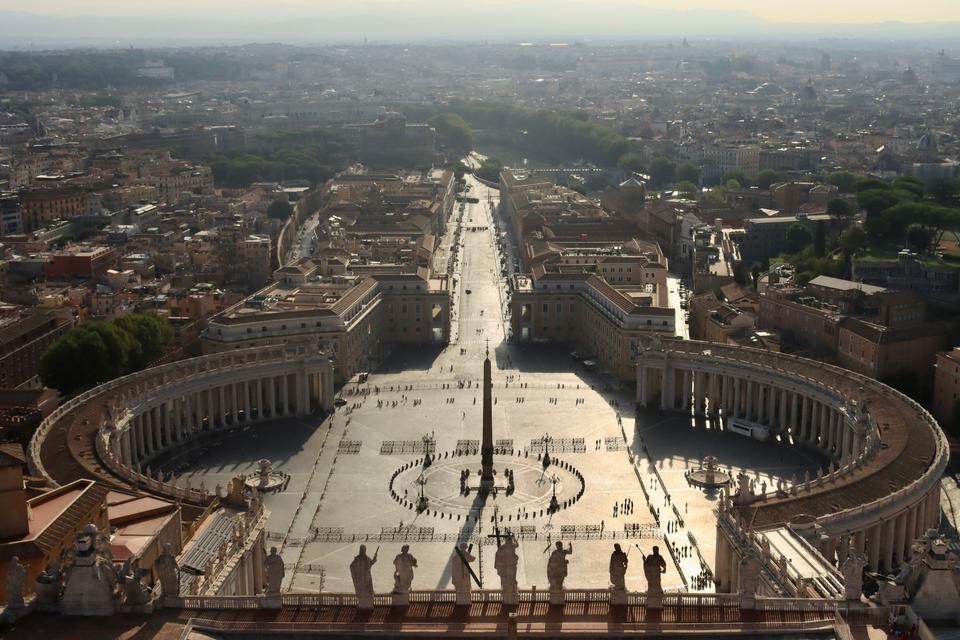
Access to the Vatican Museums once the galleries have closed to the public, walking the Gallery of Maps, the Raphael Rooms and the Sistine Chapel with a fraction of the daytime numbers. With a private licensed guide the chapel can be experienced in near silence.
Why The single most transformative way to see the Vatican; the same masterpieces without the crush.
Private Borghese Gallery tour with an art historian
Private, by appointment; timed-entry venuePrivate cultural access
The Borghese admits visitors in strictly limited two-hour windows, which makes it the most civilised major gallery in Rome. A private art historian draws out the Berninis, Caravaggios and Titians in a collection of extraordinary density.
Why Bernini and Caravaggio at close quarters, with scholarship rather than crowd control; the connoisseur's morning in Rome.
Colosseum underground and arena-floor tour
Restricted-access areas; private guidePrivate archaeological access
Beyond the standard route, private access takes in the hypogeum, the network of tunnels beneath the arena where animals and gladiators were held, and the reconstructed arena floor itself, alongside the Forum and Palatine.
Why The underground levels are closed to general admission and bring the engineering of the games vividly to life.
Private Vespa sidecar tour of Rome
Private, customisable, with driver-guidePrivate touring
A vintage-style Vespa with sidecar threads the cobbled lanes between the Colosseum, Circus Maximus, the Pantheon and the Spanish Steps, covering ground on foot impossible in a single morning, with a local guide at the handlebars.
Why The most charming and quintessentially Roman way to orient yourself across the city on a first or fifth visit.
Roman cuisine market tour and private cooking class
Private, by arrangementCulinary experience
A morning at a neighbourhood market such as Campo de' Fiori or Testaccio with a chef, selecting seasonal produce, then a hands-on session mastering cacio e pepe, carbonara and the artichoke in a private kitchen.
Why The clearest window into how Romans actually eat, and a skill that travels home with you.
Private evening passeggiata of illuminated Rome
Private guide; chauffeured or on footPrivate touring
An after-dark walk taking in the floodlit Trevi Fountain, Piazza Navona, the Pantheon and the river, when the day-trippers have gone and the monuments are at their most theatrical.
Why Rome by night is a different and emptier city; the baroque set pieces are at their best under floodlight.
Shopping
The Maisons
Via dei Condotti and the Tridente
Rome's principal luxury axis, running from Via del Corso to the foot of the Spanish Steps, lined with the flagships of the great Italian and French maisons. Bulgari, born in Rome, has occupied number 10 for nearly a century, and Fendi's roots lie a few streets away.
Via del Babuino and Via Margutta
The quieter parallel to Condotti, running from Piazza del Popolo, with a more design- and antiques-led character. Babuino carries fashion houses and antiquarians; Via Margutta is the cobbled artists' street of galleries and ateliers.
Via dei Coronari and Via Giulia
The historic-centre streets for antiques, ecclesiastical objects and one-off finds, threading between Piazza Navona and the Tiber. Less about brand names than about provenance, craft and the singular piece.
By appointment
Bespoke tailoring and made-to-measure with Roman sartorial houses · Private viewings at high jewellery maisons on Via Condotti · Antiquarian and fine-art dealer appointments around Via Giulia and Via dei Coronari
Arrival & departure
Coming & Going
Airports
Rome's principal international gateway and the long-haul point of entry. No dedicated private-aviation terminal, but VIP meet-and-greet, fast-track and lounge services operate through the main terminals.
The preferred private-aviation gateway, with a dedicated General Aviation Terminal, fast-track passport control and direct ramp access well clear of commercial traffic.
Private terminals
- Ciampino General Aviation Terminal (GAT) — private lounge, dedicated duty-free, fast boarding
- FCO VIP / fast-track handling through the main terminals (no standalone GA terminal)
Meet & greet · gate escort
- VIP meet-and-greet and assistance at FCO arrivals and departures
- Dedicated handling agents at the Ciampino GAT for private arrivals
First-class & arrivals lounges
- Premium and contract lounges at FCO across both terminals
- Private VIP lounge within the Ciampino General Aviation Terminal
Private transfers
- Chauffeured luxury-car transfers from both airports (hotel cars and licensed NCC services)
- Helicopter transfers to and from regional destinations (Tuscany, the Amalfi Coast and the lakes) by arrangement
Private aviation
- Ciampino (CIA) is the principal business-aviation field, served by FBOs including Signature Flight Support, Jetex and Universal Aviation
- Fiumicino (FCO) accepts private jets but routes passengers through commercial infrastructure with VIP handling
Immigration fast-track
Fast-track immigration and security available at FCO via VIP handling; passport control at the Ciampino GAT is handled privately within the terminal.
Good to know
Questions & Answers
When is the best time to visit Rome? +
Late April through June and mid-September into November. Spring brings warm light and the wisteria of the historic centre before the high-summer crowds; early autumn offers settled weather, the truffle and artichoke seasons, and a city that has exhaled after August. July and August are hot and emptied of Romans, with many of the best trattorie closed; the deep winter is quiet, atmospheric and well-priced, with Christmas through Epiphany a particular charm.
How many nights should you spend in Rome? +
5 nights is the sweet spot; 3 at a minimum, and up to 7 if you want to take it slowly.
What are the best luxury hotels in Rome? +
The Grand Index ranks 6 houses in Rome. The ultra-premier tier: Bulgari Hotel Roma, Hotel de Russie, Six Senses Rome, Hotel Eden. Each is bookable through our advisor at the same rate as direct, with VIP perks layered on.
Which airport do you fly into for Rome? +
Leonardo da Vinci–Fiumicino International Airport (FCO); Rome Ciampino – G. B. Pastine International Airport (CIA).
Can I book Rome hotels through The Grand Index? +
Yes. Our advisor books every house featured here through Fora, a Virtuoso member agency, at the same rate you would pay direct — with VIP perks such as room upgrades, daily breakfast and a property credit layered on at no extra cost. Begin at the enquiry page.
Where to next
You might also like
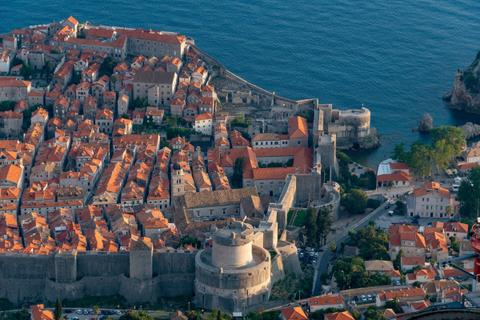
Mediterranean
Dubrovnik
Croatia
A walled Adriatic city-state where Venetian-Gothic stone meets clear water and the islands begin at the harbour mouth.
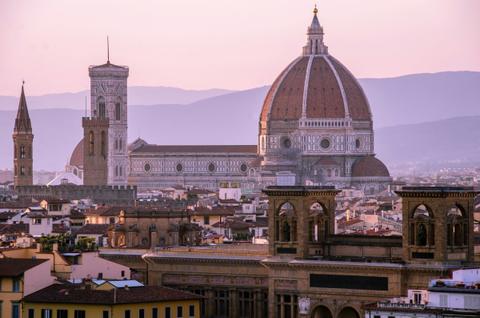
Mediterranean
Florence
Italy
The cradle of the Renaissance, best taken slowly and from the inside.
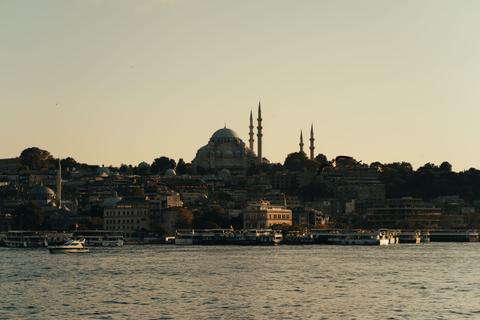
Mediterranean
Istanbul
Turkey
The only city on two continents, where Ottoman palaces line a strait that has carried empires for sixteen centuries.