Southeast Asia · Laos
Luang Prabang
A gilded peninsula of monasteries and the Mekong, kept small on purpose.
Plan this trip →- Suggested stay
- from 3 · 4 ideal · up to 6 nights
- Currency
- Lao kip (LAK); US dollars and Thai baht widely accepted
- Language
- Lao, French (older generation and hospitality), English (widely used in tourism)
- Best season
- November through February, the dry, cool season: clear skies, warm days around 24-27C, cool evenings, and rain on fewer than one day in twenty. December and January are the most reliable. Earlier is better within the window: by late February, haze from agricultural burning begins to settle over the valley and persists through April, so the burning season is best avoided. The green season (June-September) brings full waterfalls and low crowds but heavy afternoon rain.
Luang Prabang occupies a slender peninsula where the Nam Khan slips into the Mekong, a town the French built around monasteries the Lao had already made sacred. It is small, low, and gilded: thirty-odd working temples, shophouse facades the colour of weak tea, frangipani over garden walls, and a skyline that monks rather than developers still govern. UNESCO listed the whole historic centre in 1995, and the listing has held, no high-rises, no chain glare, the peninsula kept deliberately quiet. The effect is of a place that has chosen its scale and refuses to outgrow it.
The day here has a shape that predates tourism. Before dawn the tak bat begins, lines of barefoot monks moving through the half-light to receive rice from kneeling residents, a ritual that asks of the visitor only stillness and distance. By mid-morning the heat sends everyone to the shade of Wat Xieng Thong’s mosaic-clad walls or onto the river; by dusk Mount Phousi fills with people watching the sun drop behind the ranges, and the night market unrolls along the main street. The rhythm is unhurried by design, and the better hotels understand that their task is to protect it rather than to compete with it.
The luxury here is intimate rather than grand. Aman’s Amantaka, inside a 1923 colonial hospital in the protected zone, sets the tone, silence, white walls, private pools, while Rosewood’s tented retreat takes to the hills above the Nam Khan, and La Résidence Phou Vao commands the long view from Phou Vao. The table is the city’s quiet surprise: there is no Michelin Guide in Laos, but Paste at The Apsara, run by the team behind Bangkok’s starred Paste, has made Luang Prabang a serious culinary stop, and the home kitchens of Manda de Laos and Tamarind reward the curious. Around them sit the genuine pleasures of weaving villages, an organic rice farm, and the Mekong by private boat.
Getting in remains part of the appeal and part of the friction. There is no long-haul service; most arrive via Bangkok on a short regional hop, and the increasingly favoured alternative is the high-speed railway from Vientiane or Kunming, two hours where the road once took ten. Three or four nights are enough to absorb the peninsula, the falls, and a day on the river; longer suits those who want the rituals to become routine. The reward for the effort is a destination that has stayed itself, discreet, devout, and unmistakably whole.
Ideal for
Cultural travellers who prefer atmosphere to spectacle · Wellness and spa seekers · Honeymooners wanting quiet and ceremony · Slow-travel connoisseurs combining river, temple, and table
In view
The Setting
Where to stay
The Houses
Amantaka
Aman · Heritage urban resort · Old Town, within the UNESCO protected zone
Set inside a 1923 French colonial building that once served as Luang Prabang's provincial hospital, Amantaka is a compound of whitewashed pavilions arranged around lawns and a long central pool, several buildings UNESCO-listed. Twenty-four suites and two private villas, the majority with private heated pools, are finished in the restrained Aman idiom with Lao textiles and lacquerwork. The stillness is the point; the location, within walking distance of the principal monasteries, is unmatched.
Why The most complete expression of place in the city: heritage, silence, and Aman service inside the protected old town.
Rosewood Luang Prabang
Rosewood Hotels & Resorts · Riverside jungle retreat · Forested hillside above the Nam Khan, north of the old town
A 23-key retreat threaded along a private waterfall in the hills above the Nam Khan, a short transfer from the peninsula. Accommodation runs from riverside rooms and villas to six hilltop tented suites, each dedicated to a Lao hill tribe, reached by a jungle funicular. The Bill Bensley design is theatrical without tipping into pastiche, and the setting delivers a sense of seclusion the in-town hotels cannot.
Why The only genuinely wild address: a waterfall, a forest, and tented luxury minutes from a UNESCO town.
La Résidence Phou Vao, a Luxury Collection Resort & Spa
The Luxury Collection (Marriott) · Hilltop garden retreat · Phou Vao hill, overlooking the old town and mountains
This teak-and-frangipani retreat sits alone atop Phou Vao, the hill of the kites, with 360-degree views over the temples, the river plain, and the surrounding ranges. Acquired from Belmond by HMD Asia (operators of the Shinta Mani hotels) and reopened in November 2025 as a Luxury Collection resort after an extensive heritage-led transformation, it keeps an unhurried, residential mood: terraced gardens, two pools, and a spa oriented to the sunset. It trades the immediacy of the peninsula for elevation, quiet, and one of the finest evening panoramas in Laos.
Why Luxury Collection polish with the best long view in town, a five-minute transfer from the old quarter.
Azerai Luang Prabang
Azerai (Adrian Zecha) · Boutique town hotel · Central old town, near the Royal Palace
The Luang Prabang flagship of Adrian Zecha's post-Aman venture, Azerai occupies a discreet courtyard property in the heart of the protected zone. Rooms are spare and contemporary, built around a colonnaded pool, with the brand's signature of pared-back design at a gentler scale than Aman. It suits travellers who want a central, design-led base without resort sprawl.
Why Zecha's eye at a human scale, steps from the peninsula's principal sights.
Sofitel Luang Prabang
Accor · Heritage colonial hotel · Edge of the old town, near the Nam Khan
Housed in a former French governor's residence, the Sofitel is a 25-suite property built around shaded courtyards and a walled garden pool, all suites ground-floor with private outdoor space. The restoration leans into colonial bones with contemporary comfort, and the kitchen and spa are well regarded. A balanced choice between heritage character and full-service reliability.
Why Generous all-suite comfort in a handsome colonial shell, a short walk from the centre.
Avani+ Luang Prabang Hotel
Minor Hotels · Contemporary town hotel · Sisavangvong Road, opposite the night market
A converted 1920s building on the main thoroughfare, Avani+ pairs colonial proportions with a brighter contemporary fit-out and a central pool. Its position, opposite the night market and minutes from the alms route and Mount Phousi, is the most convenient in the city. The most modern of the credible addresses rather than the most atmospheric.
Why The best-located of the modern hotels for travellers who want everything on foot.
Where to dine
The Tables
Paste at The Apsara
Refined Lao / royal-court · Fine dining
The city's most ambitious table: chef Bee Satongun and Jason Bailey reconstruct historical Lao court cuisine with technique and restraint.
Manda de Laos
Traditional Lao · Garden restaurant
Heritage Lao home cooking served around historic lotus ponds; the most romantic setting in town and reliably booked out.
Tamarind
Lao · Casual / cooking school
The original ambassador of authentic Lao food for outsiders; the tasting platters are the clearest primer on the regional table.
Dyen Sabai
Lao barbecue / sindad · Riverside casual
Reclined cushion seating above the Nam Khan for sindad hotpot; the most atmospheric casual evening, reached by a bamboo footbridge in dry season.
Tangor
French-Lao brasserie · Brasserie
The most polished Franco-Lao kitchen in the centre, capable when a break from purely local fare is wanted.
Khaiphaen
Modern Lao · Training restaurant
Inventive modern Lao plates with genuine social purpose; the cause is real and the cooking holds its own.
Night-market food alley (off Sisavangvong)
Lao street food · Street market
The alley off the night market is where locals eat; honest grilled fish, laap, and noodle soups at a fraction of restaurant prices.
What to do
Experiences
Tak Bat (morning alms) with a private guide
Private guide, by arrangement through the hotelsCultural
Before dawn, hundreds of saffron-robed monks and novices process silently along the peninsula to receive sticky rice from kneeling residents. Witnessed respectfully and at a distance, with a knowledgeable guide to brief on etiquette and to source proper offerings, it is the defining ritual of the city.
Why The single most important cultural moment in Luang Prabang; the difference between intruding and participating well is entirely a matter of guidance.
Private Mekong charter aboard the Gypsy or Bohème
Private full-boat charterRiver
Mekong Kingdoms operates intimate luxury vessels for exclusive charter from Luang Prabang, from sunset cruises with canapes to multi-day bespoke journeys toward the Golden Triangle. The Gypsy carries only a handful of guests, with private cabins, a chef, and curated village landings.
Why The most refined way to experience the Mekong: the river to yourself, gourmet dining aboard, and shore stops on your own schedule.
Kuang Si Falls before the crowds
Private transfer and early accessNature
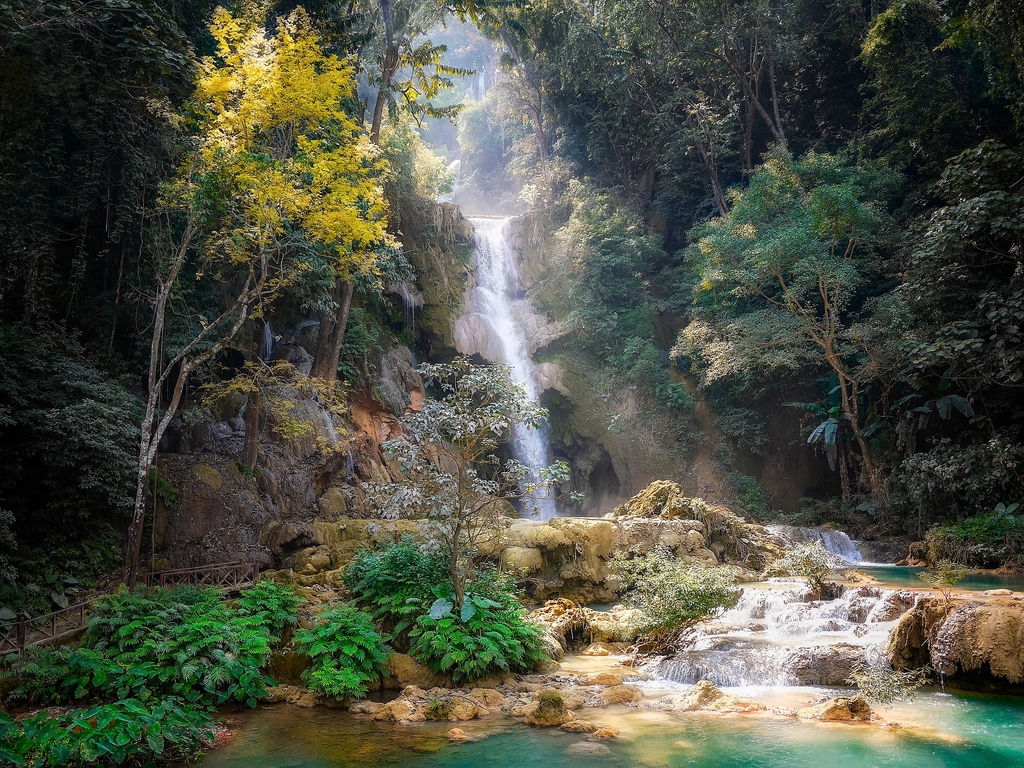
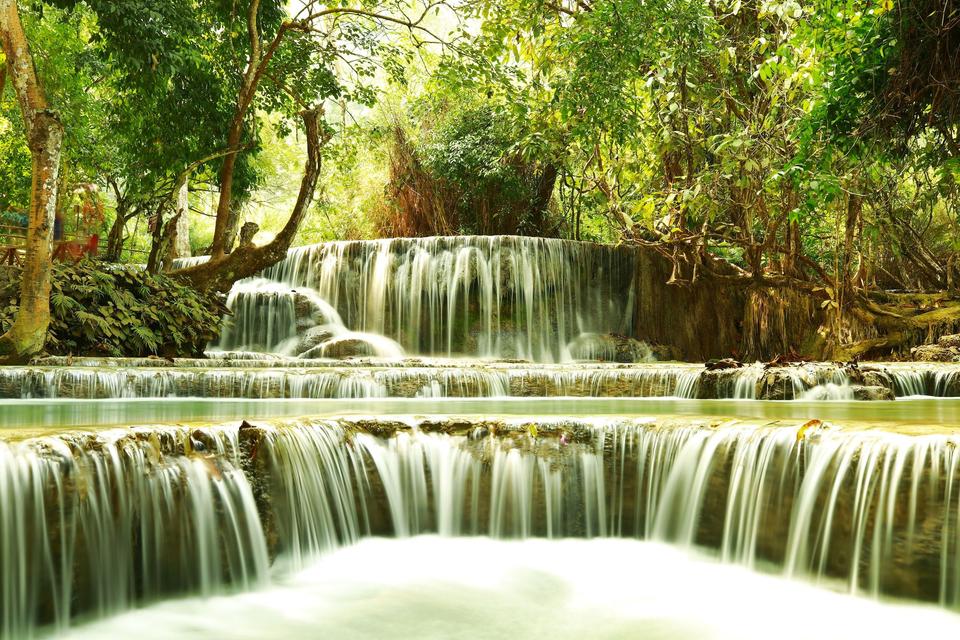
The turquoise limestone cascades of Kuang Si, roughly an hour south, are the region's natural showpiece, with a tiered pool system and the adjacent Free the Bears sanctuary for rescued Asiatic black bears. A private early departure secures the upper pools in near-solitude before the day-tour convoys arrive.
Why Arriving at opening, with a private vehicle, turns a busy attraction into a quiet swim beneath the falls.
Pak Ou Caves by private longtail
Private boat with guideRiver / heritage
Two riverside limestone caves above the confluence of the Mekong and Nam Ou hold thousands of abandoned Buddha images left by pilgrims over centuries. A private boat allows an unhurried upriver passage with stops at the whisky-distilling village of Ban Xang Hai en route.
Why The classic upriver excursion, made worthwhile by chartering your own boat rather than joining a shared longtail.
Living Land organic rice farm
Private or small-group bookingImmersive
A community farm on the Kuang Si road where visitors work through the fourteen steps of traditional rice cultivation alongside the resident water buffalo, from ploughing to threshing. Genuinely hands-on and unpolished, often paired with the falls in a single morning.
Why An honest, tactile counterpoint to temple-touring, and a rare chance to understand the staple at the centre of Lao life.
Temple round and Mount Phousi at altitude
Private guideCultural
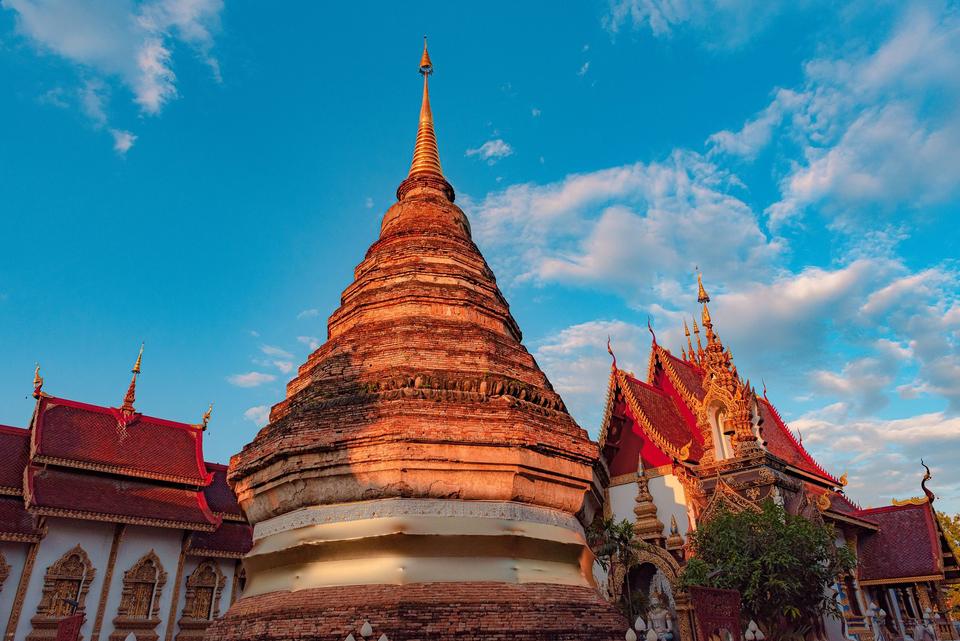
A guided morning through Wat Xieng Thong, the former Royal Palace (Haw Kham), and the lesser monasteries of the peninsula, finishing with the climb up Mount Phousi for the panorama over the two rivers. The architecture, gilded and mosaic-clad, rewards a guide who can read it.
Why The historic core is compact and walkable, but its meaning is locked without an informed guide to open it up.
Shopping
The Maisons
Sisavangvong Road and the Handicraft Night Market
The main artery of the old town and, after dusk, the largest handicraft market in Laos, where Hmong embroidery, hand-woven textiles, saa paper lanterns, and silverwork are laid out along the closed street. Quality is variable; bargaining is expected. The daytime boutiques along the same road carry a more curated, higher-priced selection.
Ban Xang Khong (silk and saa-paper village)
A riverside village a short transfer east of town, long associated with silk weaving and mulberry-bark saa paper. Visitors can watch weavers and papermakers at work and buy directly: scarves, tapestries, rugs, and lamps of good quality, with a calmer, more authentic feel than the night market.
Ban Khili and the boutique old-town lanes
The quieter peninsula lanes hold the city's more serious craft and textile boutiques and the Traditional Arts and Ethnology Centre shop, useful for ethically sourced ethnic-minority pieces and a grounding in what to look for before buying elsewhere.
By appointment
Ock Pop Tok Living Crafts Centre, on the Mekong two kilometres from town, for guided weaving tours, master-weaver commissions, and natural-dye textiles · Private weaving or natural-dye workshops arranged through Ock Pop Tok
Arrival & departure
Coming & Going
Airports
The country's second airport. Regional connections only: scheduled service to Bangkok (Bangkok Airways, Thai AirAsia), Hanoi and Ho Chi Minh City (Vietnam Airlines), Vientiane (Lao Airlines), and several Chinese cities, with intercontinental travellers connecting via Bangkok. No direct long-haul service. A single short runway and a modest terminal; no dedicated FBO or private-jet terminal.
Meet & greet · gate escort
- Arranged by all the luxury hotels (Amantaka, Rosewood, La Résidence Phou Vao, Sofitel) with greeting at the arrivals hall
First-class & arrivals lounges
- A basic business/airline lounge operates at LPQ; facilities are modest by international standards
Private transfers
- Private hotel cars meet flights; the run into town is short
- The premier alternative arrival is the Laos-China Railway high-speed line: roughly two hours from Vientiane (down from ten by road) and reachable from Kunming, with the station about 12-15 km from town
Private aviation
- Private charter into LPQ is possible but constrained by limited ground-handling infrastructure and short operating hours; arrangements should be made well in advance through a specialist
- Bangkok (BKK/DMK) is the practical gateway for private jets connecting onward to a regional aircraft or charter
Immigration fast-track
Visa-on-arrival and expedited immigration assistance can be arranged through the luxury hotels and ground operators.
Good to know
Questions & Answers
When is the best time to visit Luang Prabang? +
November through February, the dry, cool season: clear skies, warm days around 24-27C, cool evenings, and rain on fewer than one day in twenty. December and January are the most reliable. Earlier is better within the window: by late February, haze from agricultural burning begins to settle over the valley and persists through April, so the burning season is best avoided. The green season (June-September) brings full waterfalls and low crowds but heavy afternoon rain.
How many nights should you spend in Luang Prabang? +
4 nights is the sweet spot; 3 at a minimum, and up to 6 if you want to take it slowly.
What are the best luxury hotels in Luang Prabang? +
The Grand Index ranks 6 houses in Luang Prabang. The ultra-premier tier: Amantaka, Rosewood Luang Prabang, La Résidence Phou Vao, a Luxury Collection Resort & Spa. Each is bookable through our advisor at the same rate as direct, with VIP perks layered on.
Which airport do you fly into for Luang Prabang? +
Luang Prabang International Airport (LPQ).
Can I book Luang Prabang hotels through The Grand Index? +
Yes. Our advisor books every house featured here through Fora, a Virtuoso member agency, at the same rate you would pay direct — with VIP perks such as room upgrades, daily breakfast and a property credit layered on at no extra cost. Begin at the enquiry page.
Where to next
You might also like
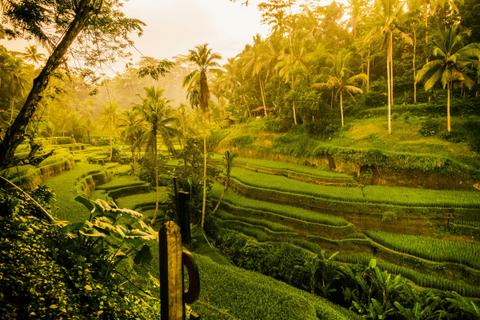
Southeast Asia
Bali
Indonesia
A volcanic island where Hindu ritual, jungle and clifftop coast meet a quietly serious luxury hospitality scene.
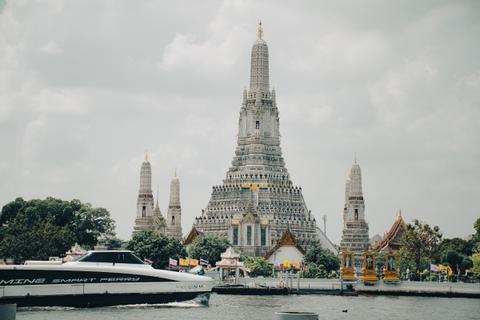
Southeast Asia
Bangkok
Thailand
Where a river city of gilded temples and vertical glass has quietly become one of the world's great hotel and dining capitals.
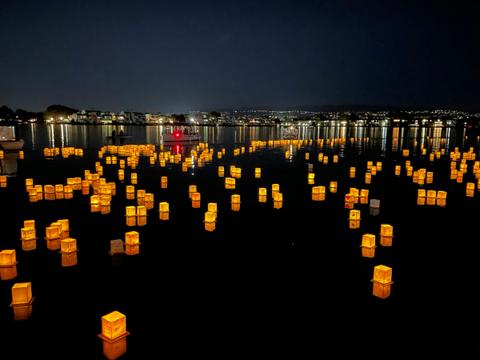
Southeast Asia
Hoi An
Vietnam
A lantern-lit trading port where Vietnam's heritage meets its finest beach resorts.