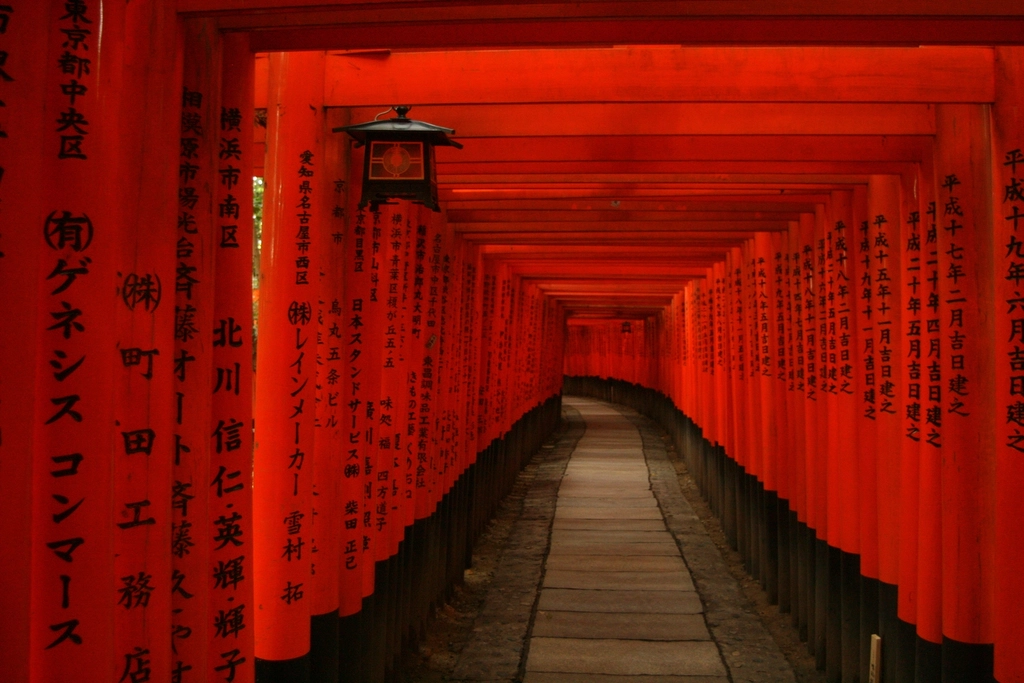
East Asia · Japan
Kyoto
The old capital, where imperial refinement and the world's deepest culinary tradition keep their own quiet hours.
Plan this trip →- Suggested stay
- from 3 · 5 ideal · up to 7 nights
- Currency
- Japanese yen (JPY)
- Language
- Japanese, English (limited; widely available at luxury hotels)
- Best season
- Late March to mid-April for cherry blossom (mankai typically peaks around 4 April, fluctuating by up to a week) and mid-November to early December for autumn momiji are the two great seasons, though both draw heavy crowds and demand booking eight to twelve months ahead. For those who value the city's stillness over its set pieces, late May through June and the cold clarity of January and February reward with empty temples and a slower welcome. The humid heat of July and August is best avoided.
Kyoto kept the imperial court for more than a thousand years, and something of that long tenancy lingers in the way the city carries itself: unhurried, exacting, faintly reluctant to explain itself to outsiders. It is a place organised around seasons and thresholds rather than landmarks, where the most rewarding experiences happen behind sliding doors and at hours the day-tripper never sees. The discerning traveller comes not to tick off temples but to be admitted, briefly, into a set of traditions that have refined themselves over centuries with no particular interest in being impressive.
The city’s pleasures are layered and quiet. They are found in the kaiseki houses of Gion and the slopes above Maruyama Park, where Kyoto holds more three-Michelin-star restaurants than almost anywhere on earth and the finest of them admit a single seating a day; in the antique dealers of Shinmonzen Street, who have sold scrolls and ceramics to serious collectors for generations; in the Zen subtemples of Daitoku-ji, the headquarters of Rinzai Buddhism and the cradle of the tea ceremony; and in the closed teahouse world of the geiko, which still operates by introduction alone. None of this announces itself.
Where to stay is itself a statement of temperament. Aman secludes its guests in a private forest in the northern hills; HOSHINOYA can be reached only by boat up the Oi River; The Shinmonzen offers nine Tadao Ando suites along a willow-lined Gion canal. The full-service grandes dames, the Ritz-Carlton on the Kamogawa and the Four Seasons around its eight-hundred-year-old pond garden, supply a more conventional luxury without surrendering the city’s particular calm.
Timing is everything and widely misunderstood. The cherry blossom of early April and the maples of late November are extraordinary and correspondingly besieged; those who value Kyoto’s stillness over its postcards are often better served by the quiet of early summer or the cold clarity of midwinter, when the temples empty and the city returns to its own rhythm. Either way, the best of Kyoto must be arranged well in advance, and much of it cannot be arranged at all without the right introduction.
Ideal for
Cultural connoisseurs and collectors · Serious gastronomes · Couples seeking discreet refinement · Wellness and contemplation travellers
In view
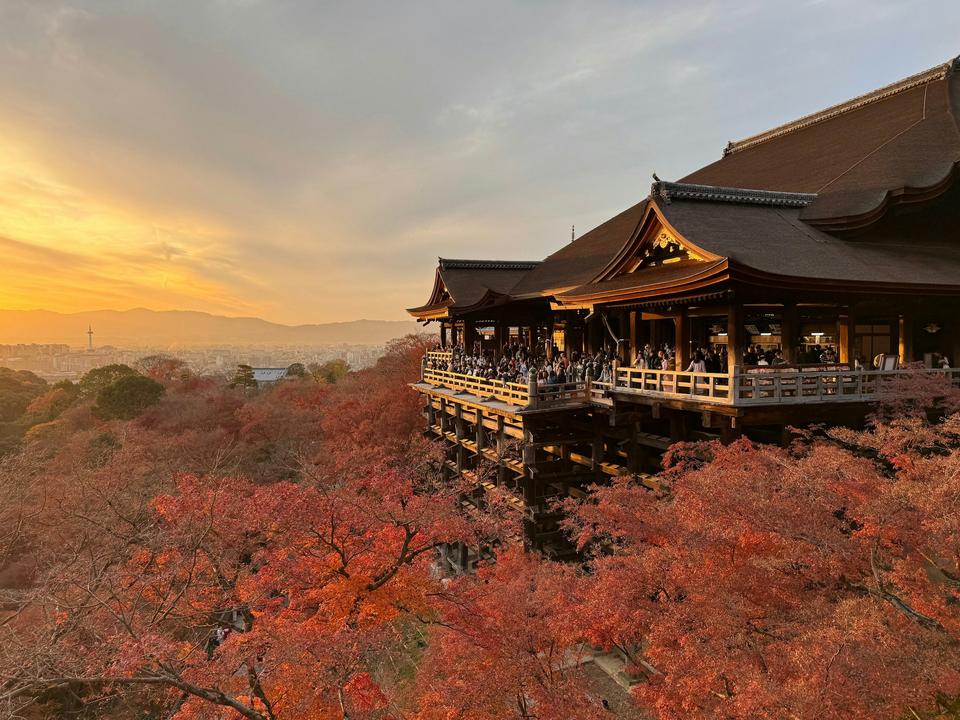
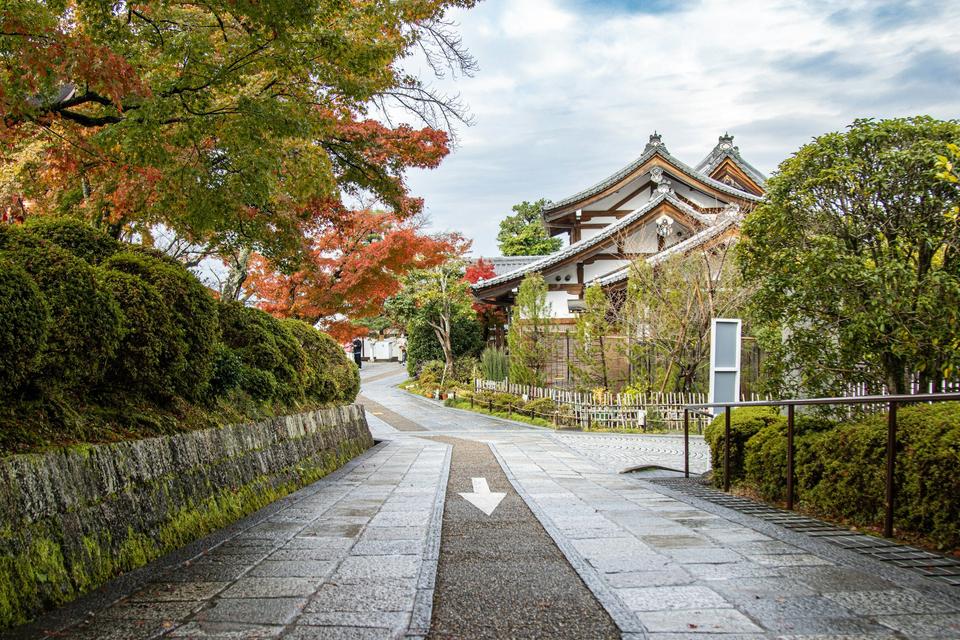
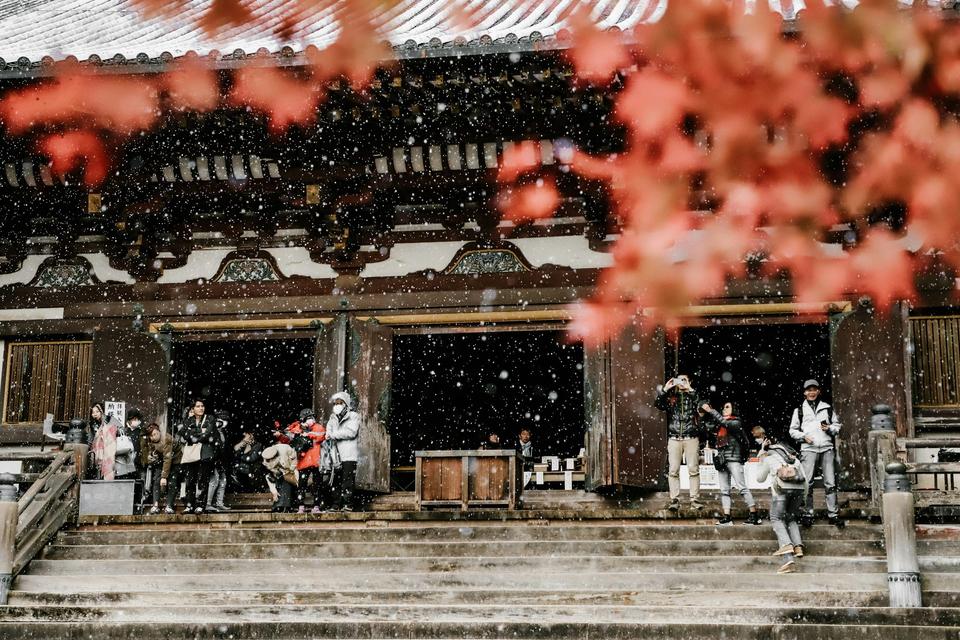
The Setting
Where to stay
The Houses
Aman Kyoto
Aman · Forest resort ryokan-style retreat · Takagamine, at the foot of Mount Hidari Daimonji, north of the city
Set within a private 72-acre forested garden originally laid out by a textile magnate who never built upon it, Aman Kyoto is a study in restraint, its 24 rooms and two pavilions arranged across low pavilions among moss, maple and stone. The architecture by Kerry Hill answers the surrounding cedar with floor-to-ceiling glass, hinoki baths and tatami alcoves. A natural hot-spring onsen draws on the site's own thermal water.
Why The most secluded address in Kyoto, a forest sanctuary that feels a world away yet sits twenty minutes from Kinkaku-ji.
HOSHINOYA Kyoto
Hoshino Resorts · Riverside luxury ryokan · Arashiyama, reached by private boat up the Oi River
Reached only by the property's private boat from Togetsukyo Bridge, this former Edo-period villa occupies the wooded riverbank of Arashiyama with 25 rooms, each facing the jade water. The setting is deliberately remote and seasonal, with kaiseki dining, incense and tea ceremony woven into the stay. The arrival itself, gliding upriver, is the first act of the experience.
Why A genuine ryokan sensibility delivered at international standards, with an arrival no city hotel can rival.
The Shinmonzen
Independent (DNA Hotels) · Design ryokan-inspired boutique · Gion, on the Shirakawa canal off Shinmonzen Street
A ten-year labour by architect Tadao Ando, this nine-suite hideaway sits along the willow-lined Shirakawa canal in the antiques quarter of Gion, each suite with a veranda over the water and a different native material at its heart. The scale is deliberately tiny and the service ryokan-attentive. Jean-Georges Vongerichten operates the in-house restaurant, his first in Kyoto.
Why Architecture-led intimacy in the most evocative corner of Gion, for those who prize design and discretion over scale.
The Ritz-Carlton, Kyoto
Marriott (The Ritz-Carlton) · Riverside urban resort · Kamogawa riverbank at Nijo-Ohashi, Nakagyo-ku, central Kyoto
On a stretch of the Kamogawa favoured by nobility since the seventeenth century, the 134-room Ritz-Carlton balances central convenience with views to the Higashiyama mountains. Interiors draw on Heian-era aesthetics and local craft, and the property has held a Forbes Five-Star rating for nine consecutive years. Dining spans kaiseki, teppanyaki and an Italian room.
Why The most polished full-service base in the city centre, walkable to Pontocho and Gion yet quietly removed on the river.
Four Seasons Hotel Kyoto
Four Seasons · Garden hotel · Higashiyama temple district, near Myoho-in and Sanjusangen-do
Built around an 800-year-old circuit pond garden, the Shakusui-en, recorded in a twelfth-century poetry anthology, this 123-room hotel is the rare modern property to inherit a historic garden of genuine importance. Rooms overlook either the pond or the temple-studded hills, and the spa and tea house frame the same water. The Heritage Garden Rooms open directly onto the grounds.
Why A serene garden setting in the heart of the temple district, with grounds no other contemporary hotel in Kyoto can claim.
Park Hyatt Kyoto
Hyatt (Park Hyatt) · Hillside boutique hotel · Higashiyama, on Nene-no-Michi below Kodai-ji and the Yasaka Pagoda
Perched on the slope of Higashiyama amid the lanes of Kodai-ji, this intimate 70-room hotel commands views of the Yasaka Pagoda and the city below. Warm tamo wood, original artworks and a calm, residential scale define the interiors. The adjoining century-old Kyoyamato kaiseki house anchors its dining heritage.
Why The most atmospheric location in old Kyoto, set among the temple lanes most visitors only pass through.
Where to dine
The Tables
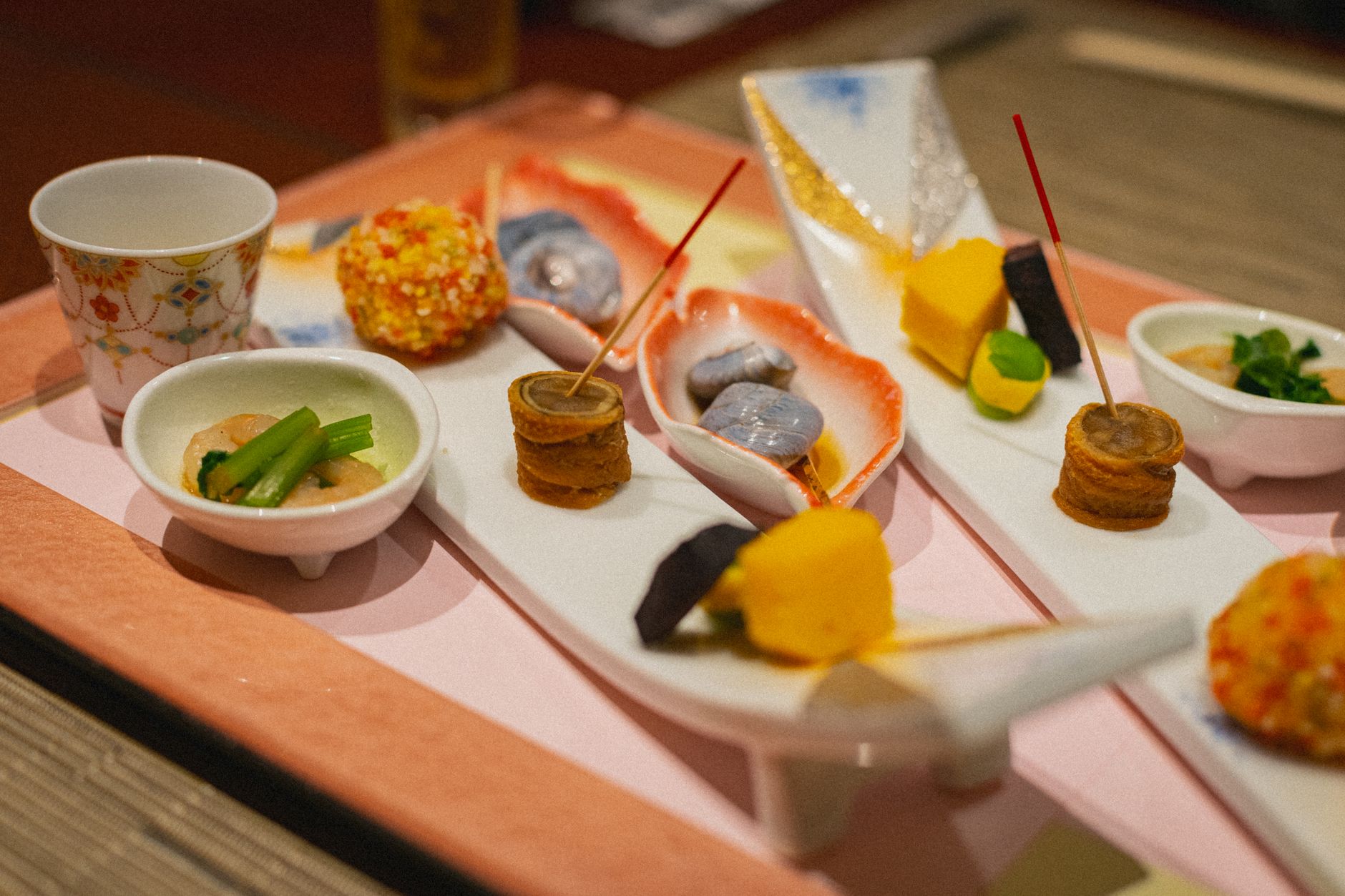
Kikunoi Honten
3 Michelin starsKaiseki · Traditional kaiseki ryotei
The reference point for Kyoto kaiseki: third-generation chef Yoshihiro Murata's seasonal courses in private tatami rooms above Maruyama Park.
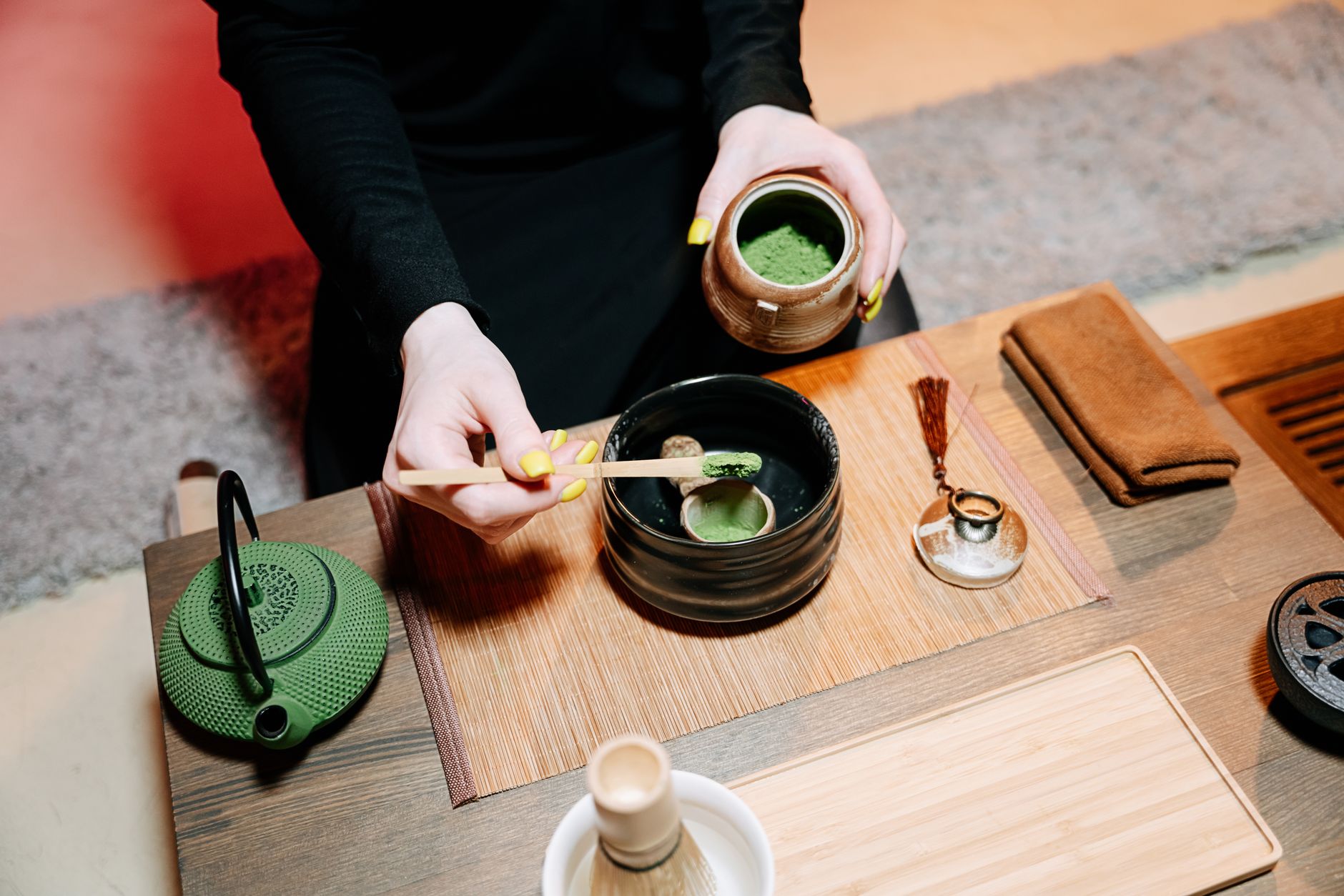
Hyotei
3 Michelin starsKaiseki · Historic kaiseki ryotei
A four-century-old institution beside Nanzen-ji, where the morning kaiseki and famous Hyotei egg are served in detached garden pavilions.
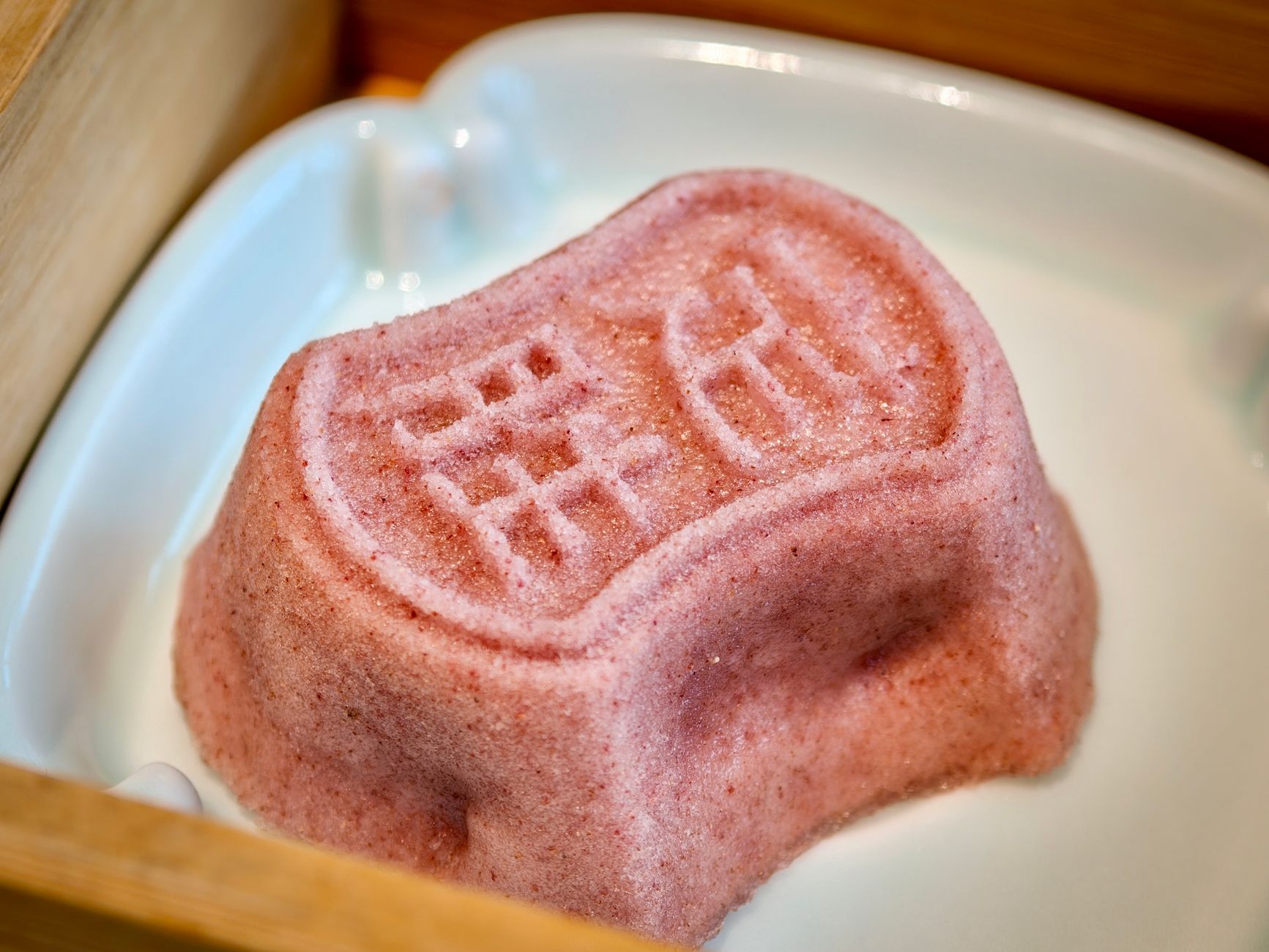
Mizai
3 Michelin starsKaiseki · Intimate kaiseki counter
Among the hardest tables in Japan: one seating a day in a pavilion in Maruyama Park, booked a year out and effectively requiring an intermediary.
Gion Sasaki
3 Michelin starsKaiseki · Counter kaiseki
A more spirited, counter-driven take on kaiseki from Hiroshi Sasaki, prized for energy and improvisation alongside technical command.
Miyamasou
3 Michelin starsKaiseki (tsumikusa, foraged mountain cuisine) · Ryokan and restaurant
A mountain ryokan an hour north of the city where the chef forages much of the menu himself; the journey is part of the meal.
Isshisoden Nakamura
3 Michelin starsKaiseki · Historic kaiseki ryotei
One of the oldest kaiseki houses in the city, holding a quietly impeccable three-star table across central Kyoto.
Kikunoi Roan
2 Michelin starsKaiseki · Counter kaiseki bistro
The Murata family's lighter, counter-style sibling on Kiyamachi, an easier and excellent route into the house style.
Honke Owariya
Soba · Historic soba house
More than five centuries old, the definitive Kyoto soba house and a deliberate counterpoint to the high kaiseki canon.
What to do
Experiences
Private ozashiki evening with geiko and maiko in Gion
Requires introduction or a vetted concierge/operator arrangement; never open to walk-ins.Cultural
An evening in a Gion ochaya (teahouse) with geiko and maiko, comprising kaiseki, traditional dance, conversation and ozashiki-asobi parlour games. The teahouse world operates on ichigen-san okotowari, the rule that admits no first-time guests without an established introduction.
Why The most authentic access to a closed tradition, where the room, the introduction and the discretion matter as much as the performance.
After-hours private temple and Zen meditation
Private subtemple sessions arranged by appointment; availability varies and access is by introduction.Cultural and wellness
Private zazen meditation and a tea ceremony within a subtemple of the Daitoku-ji complex, conducted by a monk in spaces ordinarily closed to the public. Certain subtemples such as Daiji-in preserve tea rooms unchanged for a century.
Why Daitoku-ji is the headquarters of Rinzai Zen and the cradle of the tea ceremony; a private session there is contemplation at its source.
Private tea ceremony with a master
Arranged privately with established teachers or through the hotels; the finest rooms are by introduction.Cultural
A formal chanoyu led by a practitioner in the lineage of the Kyoto schools (Urasenke, Omotesenke), in a historic tea room with seasonal sweets and an explanation of the utensils, scroll and flower arrangement.
Why Kyoto is the home of the way of tea; a private sitting reveals the philosophy behind the ritual rather than the spectacle.
Helicopter cruise over Kyoto from Yao
Private charter for up to three passengers; advance booking required.Adventure and scenic
A chartered helicopter flight from Yao Airport near Osaka over Kyoto's landmarks, overflying Kiyomizu-dera, Kinkaku-ji, Nijo Castle and the Higashiyama hills, particularly striking over autumn foliage or fresh snow.
Why A rare aerial perspective on a city otherwise experienced at temple-lane pace, and an elegant alternative to the road from Osaka.
Dawn at Arashiyama and a private boat on the Oi River
Private guiding and chartered boat arrangements; HOSHINOYA guests reach the area by the property's own vessel.Nature and cultural
An early-morning visit to the Arashiyama bamboo grove and Tenryu-ji garden before the crowds, followed by a private boat on the Oi River beneath Togetsukyo Bridge. Best paired with the seasonal cormorant fishing in summer.
Why The grove and river are transformed by an empty hour at first light, the only time the famous scenes feel private.
Private kimono and Nishijin textile atelier visit
Private atelier access by appointment; commissions and fittings arranged directly with the maker.Craft and shopping
A behind-the-scenes visit to a Nishijin weaving house or a kimono atelier in the city's historic textile district, observing obi and silk woven on traditional looms and, where arranged, commissioning bespoke pieces.
Why Nishijin-ori is among Japan's most refined crafts; meeting the weavers conveys what no shop display can.
Shopping
The Maisons
Shinmonzen and Furumonzen Streets, Gion
Two narrow parallel lanes in Gion that form Kyoto's, and arguably Japan's, foremost antiques quarter, lined with long-established dealers in scrolls, ceramics, lacquer, screens, Buddhist art and ukiyo-e. Discreet, expert and accustomed to serious collectors.
Nishijin textile district
The historic weaving quarter in northwest Kyoto, source of the city's finest kimono and obi, where nishijin-ori silk has been produced in machiya workshops for centuries. The place to commission or acquire textiles of the highest order, often replicas of antique court garments.
Teramachi and Sanjo
North of Sanjo the Teramachi arcade gives way to high-end galleries, craft shops, tea and incense merchants and woodblock-print specialists, alongside centuries-old purveyors of brushes, paper and confectionery. Central, refined and walkable.
By appointment
Nishijin weaving ateliers for bespoke kimono and obi commissions · Gion antique dealers for private viewings · Master craftsmen in lacquer, ceramics and bamboo for commissioned work
Arrival & departure
Coming & Going
Airports
The region's primary long-haul international gateway, on a man-made island in Osaka Bay. Private car transfer to central Kyoto runs roughly 75 minutes to over two hours depending on traffic; the Haruka express rail is the fast alternative.
Primarily domestic, with faster ground access than KIX and business-aviation handling. Subject to a night curfew for larger jets. The most convenient airport for private and domestic arrivals to Kyoto.
General-aviation and helicopter field near Osaka; departure point for Kyoto helicopter charters and light-aircraft flights. No IATA code; RJOY is the ICAO identifier.
Private terminals
- Business-aviation handling at Osaka Itami (ITM) via operators including ExecuJet and ANA Business Jet
- General-aviation facilities at Yao Airport
Meet & greet · gate escort
- Hotel concierge meet-and-assist at KIX and ITM arrivals
- Private guides and English-speaking drivers arranged through the luxury hotels
First-class & arrivals lounges
- KIX international premium and airline lounges
- Hotel-arranged arrival assistance in lieu of dedicated private terminals
Private transfers
- Chauffeured private car and luxury van (MK Taxi, Yasaka and hotel fleets) from KIX/ITM to central Kyoto
- Hotel-arranged limousine transfers; HOSHINOYA guests transfer by private boat for the final approach in Arashiyama
Private aviation
- Private jet charter into Osaka Itami (ITM) and Kansai (KIX)
- Helicopter charter from Yao Airport to scenic Kyoto cruises and Osaka-Kyoto repositioning (operators such as AIROS Skyview)
Immigration fast-track
Expedited immigration and assisted clearance available at KIX through premium meet-and-greet services arranged by the hotels and specialist concierges.
Good to know
Questions & Answers
When is the best time to visit Kyoto? +
Late March to mid-April for cherry blossom (mankai typically peaks around 4 April, fluctuating by up to a week) and mid-November to early December for autumn momiji are the two great seasons, though both draw heavy crowds and demand booking eight to twelve months ahead. For those who value the city's stillness over its set pieces, late May through June and the cold clarity of January and February reward with empty temples and a slower welcome. The humid heat of July and August is best avoided.
How many nights should you spend in Kyoto? +
5 nights is the sweet spot; 3 at a minimum, and up to 7 if you want to take it slowly.
What are the best luxury hotels in Kyoto? +
The Grand Index ranks 6 houses in Kyoto. The ultra-premier tier: Aman Kyoto, HOSHINOYA Kyoto, The Shinmonzen. Each is bookable through our advisor at the same rate as direct, with VIP perks layered on.
Which airport do you fly into for Kyoto? +
Kansai International Airport (KIX); Osaka International Airport (Itami) (ITM); Yao Airport (RJOY).
Can I book Kyoto hotels through The Grand Index? +
Yes. Our advisor books every house featured here through Fora, a Virtuoso member agency, at the same rate you would pay direct — with VIP perks such as room upgrades, daily breakfast and a property credit layered on at no extra cost. Begin at the enquiry page.
Where to next
You might also like
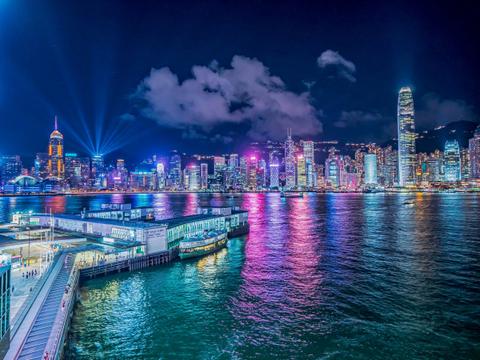
East Asia
Hong Kong
Hong Kong
A vertical city of harbour light, Cantonese mastery and quiet old-world service.
East Asia
Seoul
South Korea
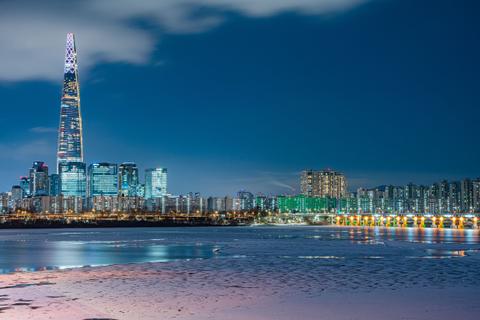
A capital where dynastic palaces, mountain ridgelines and a fearless modern kitchen share the same skyline.
East Asia
Shanghai
China
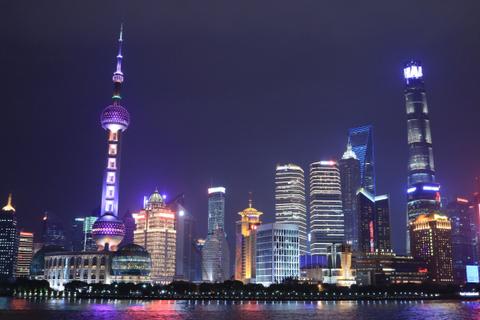
China's most cosmopolitan city, where colonial-era Bund grandeur meets a skyline of glass and ambition.