Central & South America · Ecuador
The Galápagos Islands
An archipelago of living wonders, best understood slowly and from the water.
Plan this trip →- Suggested stay
- from 5 · 7 ideal · up to 11 nights
- Currency
- United States Dollar (USD)
- Language
- Spanish
- Best season
- Two seasons, neither poor. The warm, wet season (December–May) brings calm, clear water in the high seventies to mid-eighties Fahrenheit, the best underwater visibility (February is the connoisseur's month), green highlands and active land-bird breeding; ideal for snorkelling without a wetsuit. The cool, dry garúa season (June–November), governed by the Humboldt Current, brings rougher seas and misty highlands but the richest marine life — whale sharks and schooling hammerheads at Wolf and Darwin, sea-lion pups, abundant penguins and the most active seabird colonies. Choose by appetite: warmth and visibility, or wildlife density. The shoulder weeks of late April–May and September–October offer the gentlest balance and thinnest crowds.
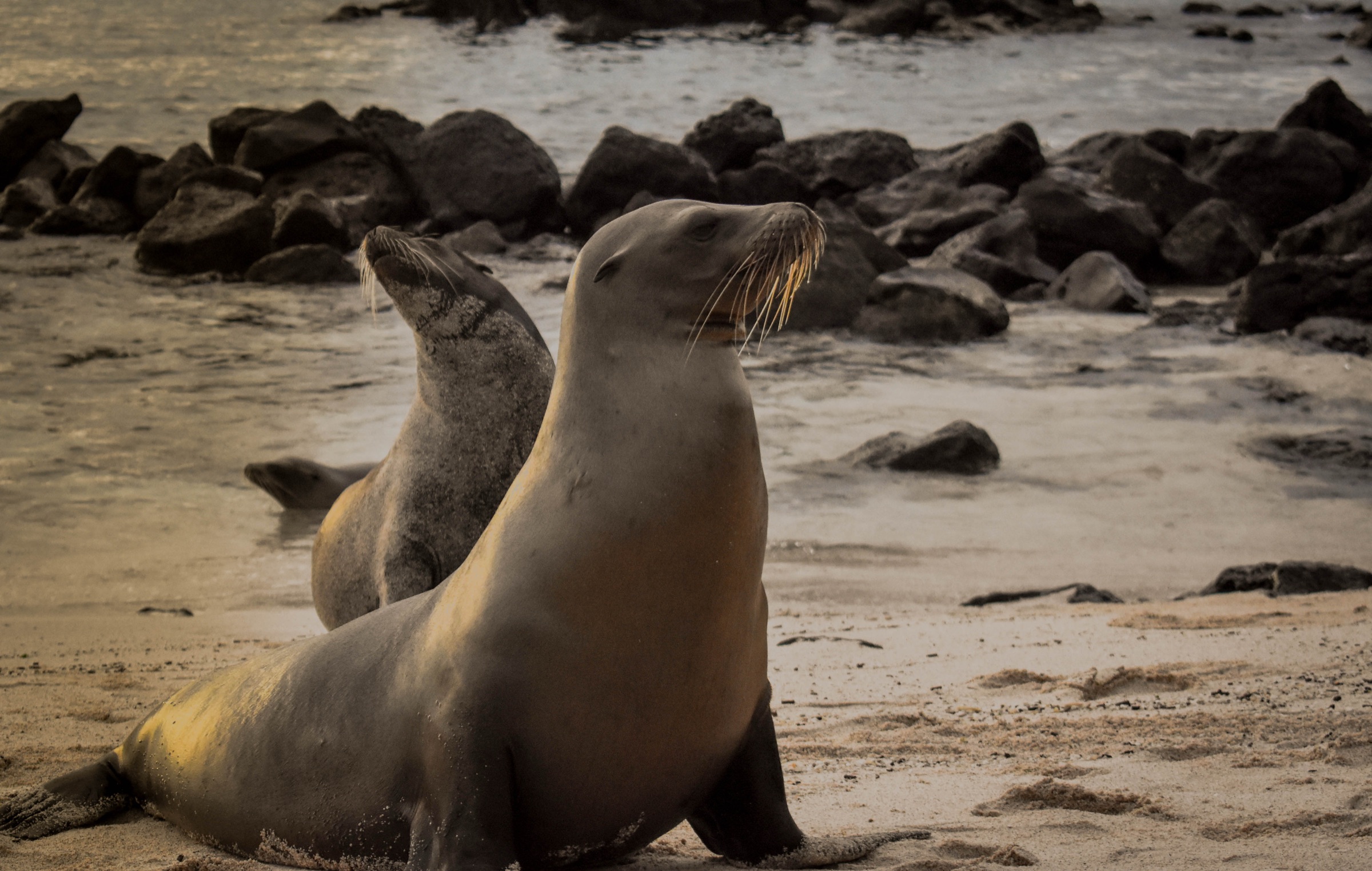
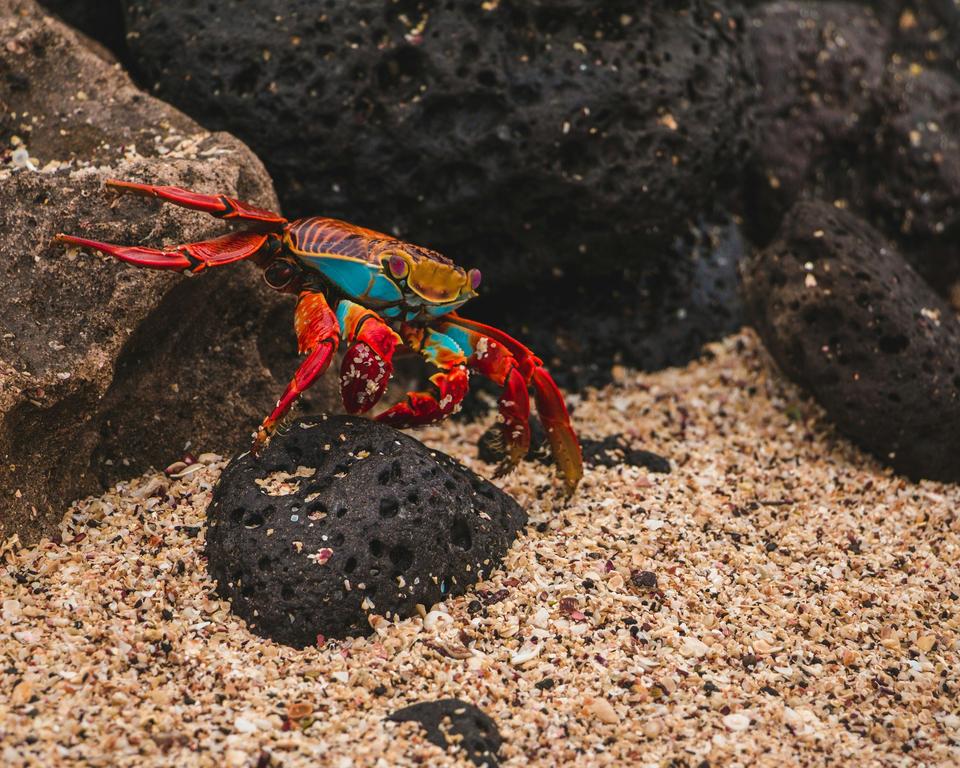
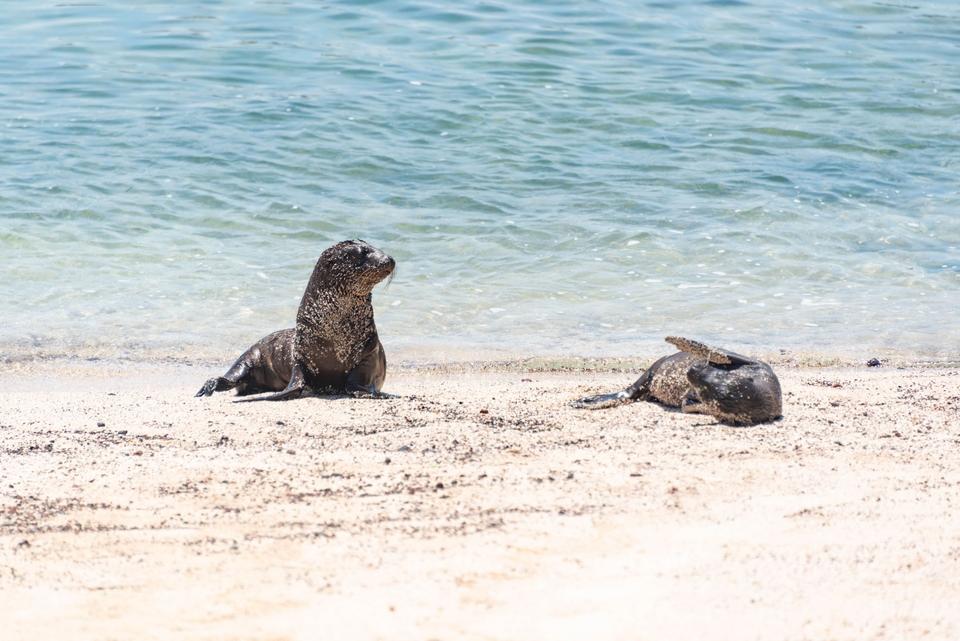
Few places reward restraint as fully as the Galápagos. Six hundred miles off the Ecuadorian coast, straddling the equator where the cold Humboldt Current collides with tropical seas, the archipelago is less a destination than a living argument — the one Darwin carried home in 1835. Its appeal has nothing to do with luxury in the conventional sense and everything to do with proximity: marine iguanas that sneeze salt at one’s feet, blue-footed boobies that decline to move aside, sea lions that commandeer the jetties. The animals here have never learned to fear people, and that single fact reorders the entire experience.
The islands are governed with unusual rigour, and rightly so. Visitor sites lie within a national park that demands certified naturalist guides, fixed distances from wildlife and an entry fee and transit card administered in person. This is not friction to be engineered away; it is the reason the place endures. The most rewarding way to travel is by water — a small expedition yacht reaching landings that day-trippers cannot, with naturalists who turn each Zodiac outing into a tutorial. The finest of these vessels, from the sixteen-guest superyacht Aqua Mare to the purpose-built Silver Origin, deliver service that bears comparison with anywhere on earth while never letting the wildlife play second fiddle.
Those who prefer firm ground will find a small but serious set of land lodges in the Santa Cruz highlands, where the garúa mist greens the hills and wild giant tortoises graze among the properties. Pikaia Lodge commands its own tortoise reserve from a crater rim; Galápagos Safari Camp imports an African sensibility to the edge of the National Park; Finch Bay holds the only true beachfront near Puerto Ayora, reached only by water. Dining is honest rather than starred — there is no Michelin presence in Ecuador — and at its best it means day-boat fish, properly balanced ceviche and a glass taken at the water’s edge.
Come for the substance, not the spectacle. Plan a week, divide it between a cruise and a highland base if time allows, and accept the islands’ terms: small ships, early mornings, knowledgeable guides and a deliberate slowness. The Galápagos cannot be rushed, and it does not flatter those who try. Travelled patiently, it remains one of the last places where the natural world still sets the agenda.
Ideal for
Naturalists and serious wildlife travellers · Discerning families seeking substance over spectacle · Divers and underwater photographers · Couples wanting remote, unhurried discovery
In view
The Setting
Where to stay
The Houses
Aqua Mare
Aqua Expeditions · Expedition superyacht (7 suites, 16 guests) · Roundtrip from Baltra / Santa Cruz; eastern and western itineraries
The first true superyacht to cruise the archipelago, an Italian CRN-built hull with interiors by François Zuretti, carrying just sixteen guests across seven suites with a near 1:1 crew ratio. Twice-daily landings run from two custom tenders led by certified naturalists, and the kitchen is overseen by Peruvian chef Pedro Miguel Schiaffino in a Nikkei-leaning register. The 861-square-foot Owner's Suite is the largest accommodation afloat in the Galápagos.
Why The most private, most spacious way to experience the islands, with a kitchen and crew ratio no land hotel can match.
Silver Origin
Silversea (Royal Caribbean Group) · Purpose-built expedition ship (51 suites, 100 guests) · Roundtrip from San Cristóbal (SCY); 7- and 10-night itineraries
Silversea's only ship built specifically for these waters, with all-suite accommodation, butler service in every category and the highest Zodiac-to-guest ratio in the islands across eight craft. The 1,722-square-foot Royal Suite anchors the top of the ship, and the Basecamp interpretation centre and one-guest-per-guide expedition model give the operation genuine intellectual weight.
Why The most polished larger-vessel option, combining ultra-luxury service with an expedition rigour built for the destination.
Pikaia Lodge
Independent (Relais & Châteaux) · Highland eco-lodge (14 rooms) · Santa Cruz highlands, atop an extinct volcanic cone
A spare, contemporary lodge of fourteen rooms set on its own giant-tortoise reserve in the Santa Cruz highlands, the only hotel in the archipelago with private wild-tortoise land. Floor-to-ceiling glass frames the crater and the sea beyond; the infinity pool, spa and yacht-supported day excursions make it a land base of real conviction.
Why The standout land stay for travellers who want a fixed base of architectural calm rather than a moving cabin.
Galápagos Safari Camp
Luxury tented camp (9 tents, 1 family suite) · Santa Cruz highlands, bordering the National Park
An African-safari sensibility transplanted to the highlands, family-built by Michael and Stephanie Mesdag on land bought before the islands' ownership laws tightened. Nine canvas tents and a family suite share a panoramic lodge and infinity pool at the edge of the National Park, with day boats and naturalist guiding arranged from camp.
Why The most characterful land lodge in the islands, and the rare Galápagos address with a genuine sense of romance.
Finch Bay Galápagos Hotel
Metropolitan Touring · Beachfront hotel (33 rooms and suites) · Punta Estrada, across the bay from Puerto Ayora, Santa Cruz
The only true beachfront hotel near Puerto Ayora, reached by a short water-taxi hop that keeps it agreeably apart from town. Thirty-three rooms in volcanic stone and native timber, four connecting for families, with a serious kitchen and the operator's own yacht for guided day cruises.
Why The most refined town-adjacent base, with the privacy of the far shore and Metropolitan Touring's expedition pedigree.
Royal Palm Galápagos, Curio Collection by Hilton
Hilton · Highland villa hotel (21 villas and rooms) · Bellavista, Santa Cruz highlands
Hilton's debut in the archipelago, a hacienda-styled estate of villas and casitas at 400 metres in the Miconia highland forest, several with private Jacuzzis. Wild tortoises wander the grounds, and the hotel's signature dinner is served in a lava tunnel some seventy feet underground.
Why A dependable branded-luxury highland base with a genuinely singular dining setting.
Where to dine
The Tables
Finch Bay Restaurant
Contemporary Ecuadorian / seafood · Hotel fine dining
A poolside tasting menu of day-boat seafood, taken across the bay from town — the most accomplished cooking on Santa Cruz.
Almar
Seafood / Ecuadorian · Hotel restaurant, seafront
Polished, sea-edge dining with attentive service — the strongest of the in-town hotel kitchens.
Midori
Japanese / Nikkei seafood · Sustainable eco-restaurant
The town's most ambitious independent kitchen, with a sustainability ethos and the best raw-fish cooking on the island.
Isla Grill
Grill / seafood · Waterfront restaurant
An atmospheric water-taxi dinner at the Angermeyer family's landmark inn, on the quiet far shore of Academy Bay.
The Rock Galápagos
Seafood / fusion gastropub · All-day restaurant and bar
The dependable all-day room in town — fresh fish, cocktails and an unfussy welcome.
Galápagos Deli
Ceviche / casual · Casual deli
The honest counter stop for properly balanced ceviche, including hard-to-find black-shell — a true taste of the islands.
What to do
Experiences
Liveaboard diving at Wolf and Darwin
Liveaboard-only; advanced certification expected; June–November for whale sharks and hammerheadsDiving
The remote northern islets of Wolf and Darwin, reachable only by liveaboard, hold the archipelago's signature dives: walls of scalloped hammerheads, silky sharks, manta rays and, in the dry season, whale sharks. Vessels are limited to sixteen guests and carry nitrox, camera facilities and naturalist dive guides.
Why Among the greatest big-animal dives on earth, and the one Galápagos experience accessible no other way.
Private full-yacht charter
Full-vessel private charter; book 12–18 months aheadCruising
Chartering a small yacht such as Aqua Mare in its entirety — sixteen guests, full crew, two naturalists and dedicated tenders — to follow a tailored route across the eastern or western islands at one's own pace.
Why The only way to set the archipelago entirely on your own terms, with guiding, table and itinerary tuned to your party.
Charles Darwin Research Station, by private naturalist
Free entry; private guided visits arranged through hotels and operatorsConservation
A guided walk through the working research and tortoise-breeding centre outside Puerto Ayora, ideally with a private naturalist who can frame the captive-breeding programme and the islands' conservation history.
Why The intellectual anchor of any Galápagos visit, and the place where the conservation story comes into focus.
Tortuga Bay and Academy Bay by private guide
Private guided access; early-morning timing recommendedBeach & wildlife
A guided walk to Tortuga Bay's long white-sand beach and sheltered lagoon — marine iguanas, white-tip reef sharks, sea turtles and golden rays — with kayaking and snorkelling on calm days, arranged privately to avoid the day-tripper rhythm.
Why The finest accessible beach on Santa Cruz, best enjoyed early and privately before the crowds arrive.
Sierra Negra volcano, Isabela
Requires a separate Isabela visit; private guiding recommendedHiking
A full-day private hike on Isabela to the rim of Sierra Negra, one of the world's largest active basaltic calderas, across lava fields and fumaroles with a naturalist who reads the island's geology.
Why The archipelago's most dramatic land excursion, and a reminder that these islands are still being made.
Snorkelling at Bartolomé and the western islands
Cruise- or day-yacht-accessed; warm-season visibility is bestSnorkelling
Guided snorkelling from yacht tenders at sites such as Bartolomé and the western reaches off Isabela and Fernandina, with Galápagos penguins, sea lions, rays and, in season, marine iguanas feeding underwater.
Why The most rewarding in-water wildlife encounters in the islands, with creatures found nowhere else on the planet.
Shopping
The Maisons
Avenida Charles Darwin, Puerto Ayora
Santa Cruz's main waterfront street and the archipelago's principal retail strip: galleries of local art, naturalist booksellers, Ecuadorian chocolate and coffee, Panama hats and conservation-minded craft. There are no international maisons in the Galápagos and none should be expected — the appeal is local provenance and a strict prohibition on taking natural materials from the islands.
Puerto Baquerizo Moreno, San Cristóbal
The quieter island capital's seafront has a modest cluster of craft shops, artisan jewellery and conservation-affiliated stores, often the better place to buy directly from local makers away from the day-trip flow of Santa Cruz.
Arrival & departure
Coming & Going
Airports
The archipelago's busiest airport and the principal gateway for Santa Cruz, the highland lodges and most cruises. Runs on wind and solar power. No FBO and no overnight aircraft parking; private jets typically position out after drop-off.
The second gateway, used by Silver Origin and several cruise lines. Has a small VIP lounge. Some operators favour it for a shorter airport-to-town transfer.
Primary international entry to Ecuador with dedicated FBOs and expedited private-aviation handling. A near-universal overnight before the morning island flight.
The alternative coastal gateway, well equipped for private aviation with VIP lounges and fast-track customs. Most island-bound flights stop here for a mandatory biosecurity fumigation.
Private terminals
- VIP lounge at San Cristóbal (SCY)
- FBO facilities at Quito (UIO) and Guayaquil (GYE) on the mainland
Meet & greet · gate escort
- Hotel and cruise-line representatives meet arriving guests at GPS and SCY
- Mainland FBO meet-and-assist at UIO and GYE for private-aviation arrivals
First-class & arrivals lounges
- Small VIP lounge at San Cristóbal (SCY)
- Premium and private-aviation lounges at UIO and GYE on the mainland
Private transfers
- Cruise-line and hotel transfers from GPS/SCY
- Private water taxis across Academy Bay to Punta Estrada (Finch Bay) and the Angermeyer shore
- Private vehicle transfers to the Santa Cruz highland lodges
Private aviation
- Private-jet charter to the mainland (UIO/GYE), then onward by chartered or scheduled domestic aircraft to GPS/SCY — Baltra has no FBO or overnight parking, and a Guayaquil fumigation stop is typically required
- EMETEBE operates small inter-island aircraft (up to ~9 seats) between Baltra, San Cristóbal and Isabela
- Operator-led 'private jet & yacht' journeys (e.g. andBeyond with Ecoventura) packaging mainland charter, island flights and a small-yacht cruise
Immigration fast-track
Fast-track and expedited customs/immigration are available on the mainland at UIO and GYE; island airports are small and process arrivals quickly, but the INGALA transit card and National Park fee must be handled in person
Good to know
Questions & Answers
When is the best time to visit The Galápagos Islands? +
Two seasons, neither poor. The warm, wet season (December–May) brings calm, clear water in the high seventies to mid-eighties Fahrenheit, the best underwater visibility (February is the connoisseur's month), green highlands and active land-bird breeding; ideal for snorkelling without a wetsuit. The cool, dry garúa season (June–November), governed by the Humboldt Current, brings rougher seas and misty highlands but the richest marine life — whale sharks and schooling hammerheads at Wolf and Darwin, sea-lion pups, abundant penguins and the most active seabird colonies. Choose by appetite: warmth and visibility, or wildlife density. The shoulder weeks of late April–May and September–October offer the gentlest balance and thinnest crowds.
How many nights should you spend in The Galápagos Islands? +
7 nights is the sweet spot; 5 at a minimum, and up to 11 if you want to take it slowly.
What are the best luxury hotels in The Galápagos Islands? +
The Grand Index ranks 6 houses in The Galápagos Islands. The ultra-premier tier: Aqua Mare, Silver Origin, Pikaia Lodge, Galápagos Safari Camp. Each is bookable through our advisor at the same rate as direct, with VIP perks layered on.
Which airport do you fly into for The Galápagos Islands? +
Seymour Galápagos Ecological Airport, Baltra (GPS); San Cristóbal Airport, Puerto Baquerizo Moreno (SCY); Mariscal Sucre International Airport, Quito (mainland gateway) (UIO); José Joaquín de Olmedo International Airport, Guayaquil (mainland gateway) (GYE).
Can I book The Galápagos Islands hotels through The Grand Index? +
Yes. Our advisor books every house featured here through Fora, a Virtuoso member agency, at the same rate you would pay direct — with VIP perks such as room upgrades, daily breakfast and a property credit layered on at no extra cost. Begin at the enquiry page.
Where to next
You might also like
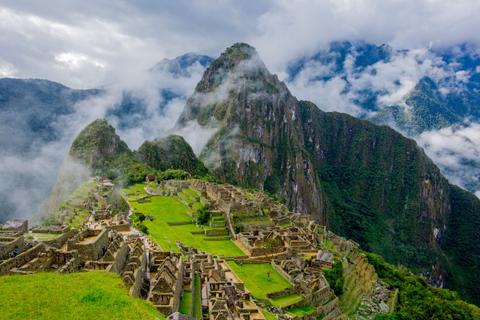
Central & South America
Sacred Valley & Cusco
Peru
The beating heart of the Inca world, where Andean altitude meets unhurried luxury.
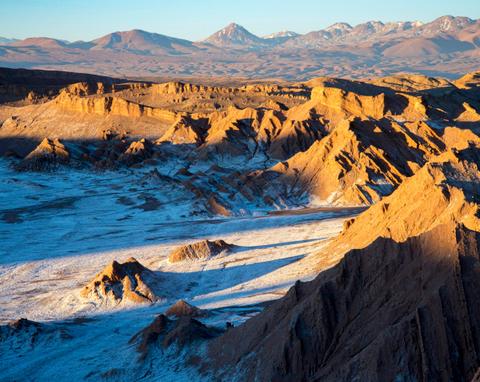
Central & South America
The Atacama Desert
Chile
The driest place on earth, beneath the clearest skies.
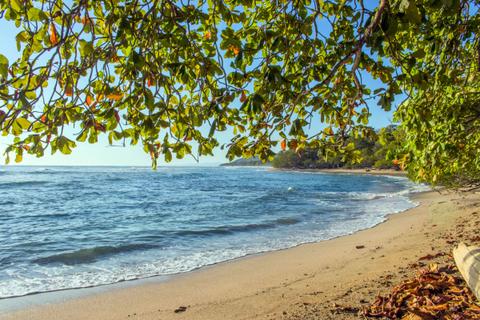
Central & South America
Costa Rica
Costa Rica
Costa Rica's Gold Coast, where cloud forest volcanoes and a private Pacific peninsula share the same week.