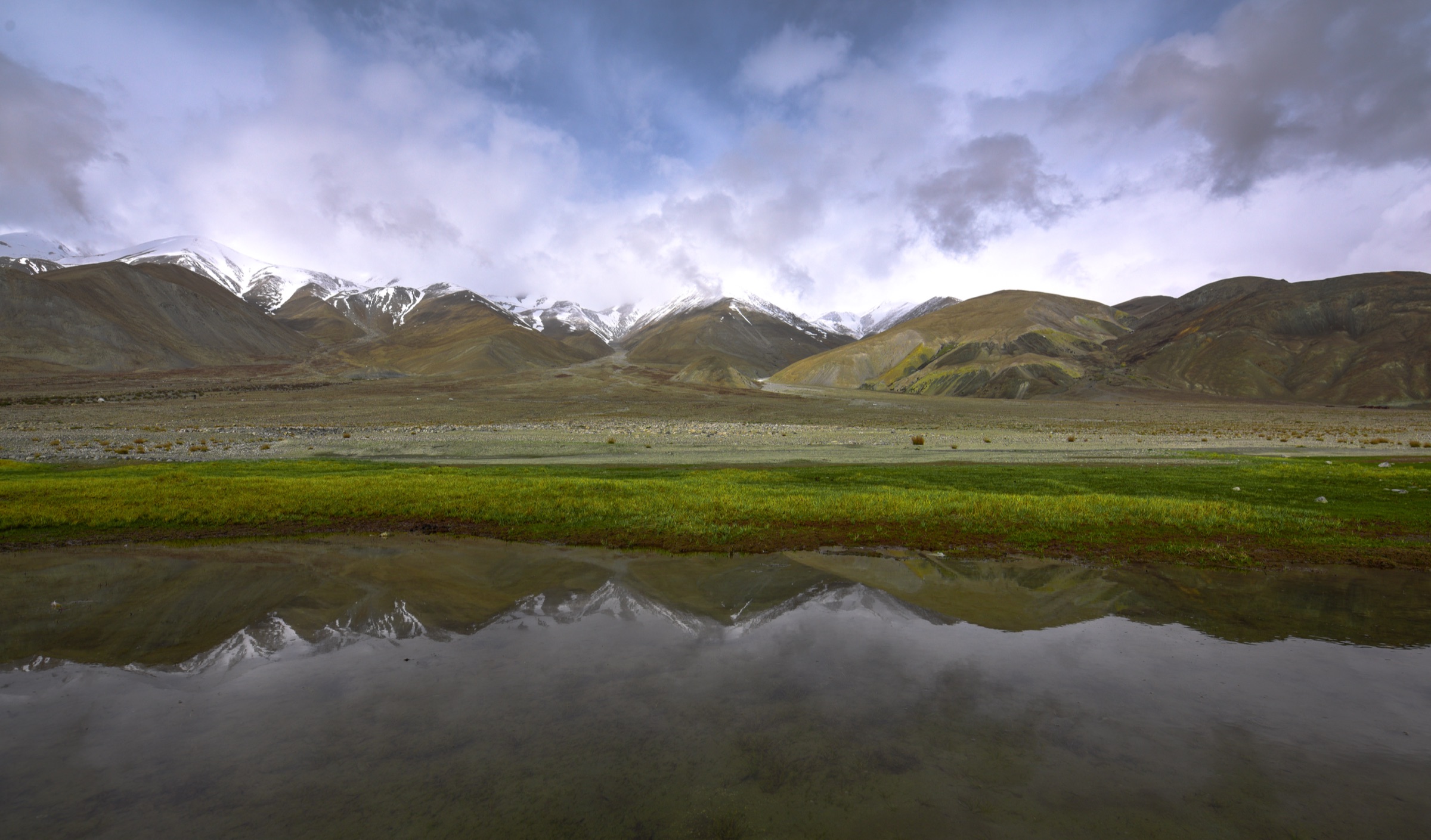
South Asia · Bhutan
Bhutan
The last Buddhist kingdom, guarded by mountains and measured in happiness.
Plan this trip →- Suggested stay
- from 6 · 9 ideal · up to 14 nights
- Currency
- Bhutanese Ngultrum (BTN), pegged at par to the Indian Rupee (INR), which also circulates
- Language
- Dzongkha, English, Nepali, Tshangla (Sharchhopkha)
- Best season
- October and November bring the clearest Himalayan skies, crisp air and the autumn tshechu festivals; late March through May is the second window, when rhododendrons and jacaranda colour the valleys and the Paro tshechu fills the dzong courtyard. The monsoon (late June to early September) clouds the peaks and complicates the notoriously weather-dependent flight into Paro, though it greens the rice terraces and thins the visitor count. Winter is cold and luminous, ideal for the western valleys and the black-necked cranes that overwinter in Phobjikha.
Bhutan does not behave like other destinations, and that is the point. The last standing Buddhist kingdom of the Himalaya kept itself deliberately apart, never colonised, late to admit visitors, and to this day governed by a tourism model that values restraint over revenue. Every foreign visitor pays a Sustainable Development Fee for the privilege of arrival, travels with a licensed guide, and enters through a single runway at Paro that only a handful of pilots in the world are cleared to fly. The effect is not exclusion for its own sake but a country that has chosen depth over volume, and that rewards a traveller in the same coin.
A stay here is a slow traverse of valleys rather than a stop in a city. The classic line runs west to centre: Paro, with the cliff-hung Tiger’s Nest monastery; the capital Thimphu, the only seat of government in the world without a traffic light; Punakha and its riverside fortress, the most beautiful in the kingdom; and the glacial bowl of Phobjikha, where black-necked cranes winter beneath an ancient monastery. The drives between them are long and switchbacked, which is precisely why the two great lodge groups, Amankora and Six Senses, built linked circuits of small properties in each valley, and why a helicopter charter has become the quiet luxury that turns a half-day on the road into fifteen minutes over the peaks.
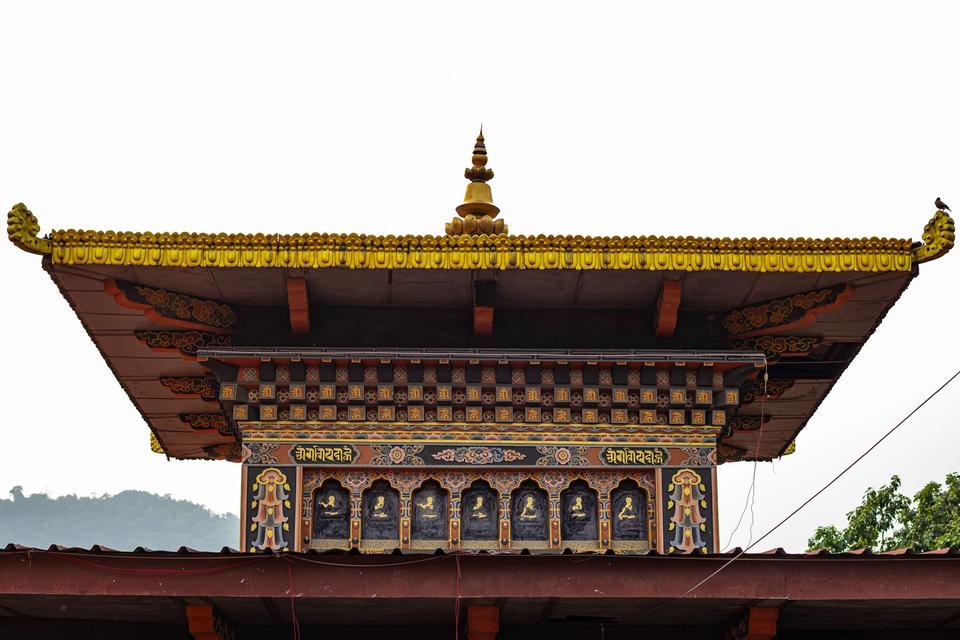
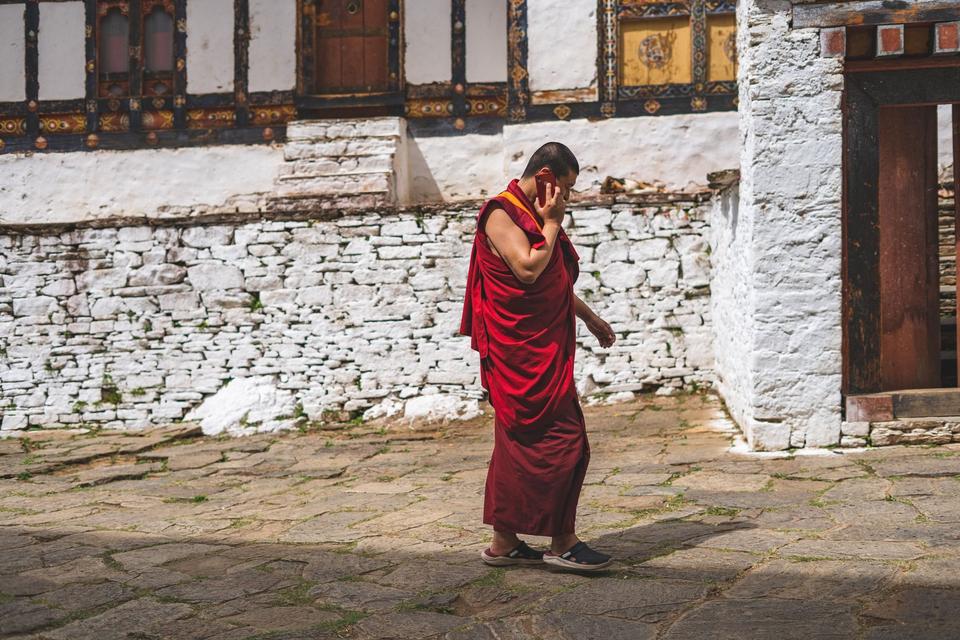
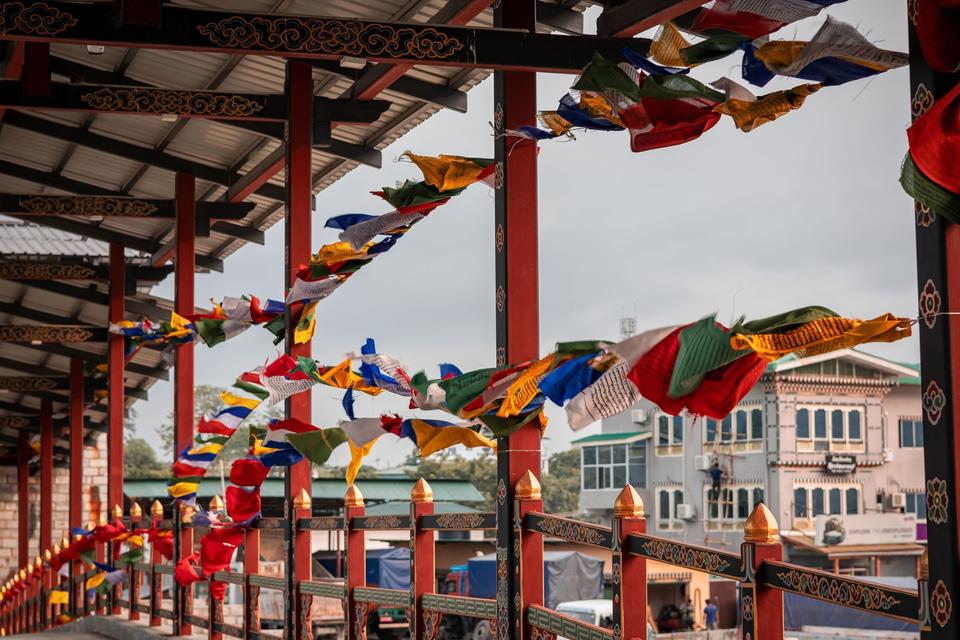
The rhythm rewards patience. Mornings are for monasteries and mountain walks taken before the light hardens; afternoons for a hot-stone bath drawn from river rocks, an audience with a resident monk, or simply the view. The food is honest rather than starred, chilli and cheese and red rice, lifted in the leading lodges into something more composed, and there is no Michelin guide here to chase. What there is instead is a sense of place so intact it borders on the unreal: prayer flags fraying on every ridge, dzongs that are still working seats of faith and administration, and a national conversation, however imperfect in practice, organised around happiness.
Nine nights is the figure to aim for, enough to clear the inevitable Paro weather delay, walk to the Tiger’s Nest without rushing, and reach at least as far as Punakha or Phobjikha. Come in October or November for the clearest skies and the autumn festivals, or in spring for the rhododendrons. Arrive expecting to surrender control of the schedule to the mountains and the monsoon, and the kingdom gives back something rarer than convenience.
Ideal for
Seasoned cultural travellers who have already done the obvious · Wellness and spiritual-retreat seekers · Active couples who want soft-adventure paired with deep comfort · Privacy-minded travellers willing to pay for a low-volume, high-meaning trip
In view
The Setting
Where to stay
The Houses
Amankora
Aman · Linked lodge circuit · Paro, Thimphu, Punakha, Gangtey and Bumthang valleys
A single Aman address spread across five intimate lodges, one in each of the kingdom's principal western and central valleys, conceived as a 'kora' or pilgrimage circuit. Guests move between them by road and helicopter, the lodges scaling from eight suites at Punakha and Gangtey to twenty-four at Paro, each in pared-back rammed-earth and timber. It remains the definitive way to traverse Bhutan without ever leaving the Aman fold.
Why The only operator that lets a guest cross the country lodge to lodge without surrendering a single standard of service.
Six Senses Bhutan
Six Senses · Linked lodge circuit · Thimphu, Punakha, Paro, Gangtey and Bumthang valleys
Eighty-two villas and suites distributed across five hilltop and riverside lodges, each given its own architectural conceit, from the dzong-inspired 'Palace in the Sky' at Thimphu to the 'Flying Farmhouse' above the Punakha rice terraces. The wellness programming is the deepest in the country, with hot-stone baths, a pyramid meditation room at Gangtey and treatments framing temple ruins at Paro. A more design-forward, view-driven counterpoint to Amankora.
Why The strongest wellness proposition in Bhutan, set in the most dramatically sited rooms in the kingdom.
Gangtey Lodge
Valley lodge · Phobjikha Valley, near Gangtey Goemba
An owner-run twelve-suite lodge on the northern lip of the Phobjikha Valley, the wintering ground of the black-necked crane, looking across to the seventeenth-century Gangtey monastery. Built as a grand farmhouse in exposed beam and local fabric, every room has a fireplace and a slipper bath, with slate underfloor heating beneath the tradition. It trades scale for intimacy and a genuine sense of place.
Why Bhutan's most characterful independent lodge, and the finest base for the cranes and the Phobjikha valley walks.
COMO Uma Paro
COMO Hotels and Resorts · Hillside resort · Paro Valley, ten minutes from the airport
COMO's flagship Bhutanese property on a wooded ridge above the Paro Valley, rooms and villas balancing Bhutanese woodwork with COMO's clean contemporary hand. The COMO Shambhala wellness programme and an experienced guiding desk make it the most polished and convenient base for the Tiger's Nest and the western circuit. Calm, accomplished and close to the only runway into the country.
Why The most assured single-property base in Paro, with COMO's wellness rigour and faultless logistics.
COMO Uma Punakha
COMO Hotels and Resorts · Valley lodge · Western Punakha Valley
An intimate retreat of nine rooms and two villas at the far western end of the lush Punakha Valley, deeper into the Himalayan foothills and warmer than the higher valleys. Light, contemporary interiors open onto river and paddy views, with rafting, riverside picnics and the great Punakha Dzong within reach. The natural pairing with COMO Uma Paro for a focused western itinerary.
Why A serene, sub-tropical counterpoint to Paro that completes COMO's compact western circuit.
Where to dine
The Tables
Bukhari at Taj Tashi
Bhutanese and international · Hotel fine dining
The most consistently refined kitchen in the capital, in the round Bukhari dining room of the Taj Tashi.
Babesa Village Restaurant
Traditional Bhutanese · Heritage house
Set menus served in bangchung bamboo baskets inside a genuine old Bhutanese house, the most authentic table in Thimphu.
Folk Heritage Museum Restaurant
Traditional Bhutanese · Museum restaurant
Buckwheat pancakes and eggplant and bean dishes served in a recreated elite Bhutanese household, ideal after the museum.
Bukhari at Uma Paro
Contemporary Bhutanese and Asian · Resort restaurant
Valley views and a kitchen that lifts Bhutanese ingredients into COMO's wellness-minded cooking.
Gangtey Lodge Dining Room
Bhutanese and Western · Lodge dining
Fireside dinners with a wall of glass onto the crane valley, the best meal in central Bhutan.
Cloud 9 Gourmet
Western and burgers · Casual cafe
The reliable Western reset, strong coffee and burgers, for a day off the chilli-and-cheese diet.
What to do
Experiences
Private ascent to Paro Taktsang (Tiger's Nest)
Private guideCultural hike
The pilgrimage to the cliff-clinging monastery at 3,120 metres, built where Guru Padmasambhava is said to have flown in on a tigress. A private guide sets the pace over the roughly five-hour round trip, with a horse arranged to the teahouse and a butler-served hilltop picnic on descent.
Why Bhutan's defining image and its most sacred site, best done early, privately and unhurried.
Helicopter charter over the high Himalaya
Private charterScenic flight
A six-seat charter with Royal Bhutan Helicopter Services lifting over the Paro Valley and the Tiger's Nest toward the snow giants of the eastern Himalaya, or used as a valley-to-valley transfer that turns a long mountain drive into minutes.
Why The only way to see Bhutan's peaks from above and to collapse the country's long road days.
Punakha Dzong and Mo Chhu river morning
Private guide and boatCultural and soft adventure
A private visit to Punakha Dzong, the kingdom's most beautiful fortress at the confluence of the Mo and Pho rivers, paired with a gentle float down the Mo Chhu and a suspension-bridge crossing to outlying temples.
Why The grandest dzong in Bhutan, framed by jacaranda and the calmest river in the country.
Phobjikha black-necked crane walks
Private guideNature and walking
Guided valley walks across the glacial Phobjikha bowl, the winter home of the rare black-necked crane, with the Gangtey Nature Trail and the seventeenth-century Gangtey Goemba monastery on the route.
Why Bhutan's most serene valley and, from late October, its great avian spectacle.
Private tshechu festival access
By appointmentCultural
Privileged placement at one of the masked-dance tshechu festivals, the Paro tshechu in spring or the autumn dzong festivals, where monks perform cham dances in the fortress courtyards. A guide decodes the iconography from a reserved vantage.
Why The living heart of Bhutanese Buddhism, accessible properly only with insider placement.
Hot-stone bath and meditation with a monk
PrivateWellness and spiritual
The traditional dotsho river-stone bath in a farmhouse or lodge, followed by a private meditation session led by a resident monk, a ritual the leading lodges arrange in candlelit temple settings.
Why Bhutan's signature wellness ritual paired with genuine, unhurried spiritual instruction.
Shopping
The Maisons
Norzin Lam and central Thimphu
The capital's main commercial spine and surrounding lanes hold the country's serious galleries and craft houses, the place for hand-woven kira and gho textiles, thangka paintings, Buddhist bronzes and handmade deysho paper. Quality varies sharply, so a knowledgeable guide is the difference between a treasure and a trinket.
Paro town high street
The compact two-sided main street near the dzong is convenient for last-day buying, with reputable textile and antique-style craft shops and a cluster of dealers in Buddhist ritual objects. Most lodges will send a guide to vet provenance and authenticity.
By appointment
Private studio visits to master weavers producing kushuthara textiles for the royal family · Thangka-painting atelier visits arranged through lodge guides
Arrival & departure
Coming & Going
Airports
The kingdom's only international airport and one of the world's most demanding approaches, set at 2,235 m and ringed by 5,500 m peaks. Visual-only daylight operations, no ILS or radar; landings restricted to a small cadre of specially certified pilots. Flights are genuinely weather-dependent and delays are routine.
Meet & greet · gate escort
- Mandatory licensed guide and driver, arranged through a registered tour operator, who meet every guest on arrival
- Lodge representatives greet at the terminal and handle all permits and the Sustainable Development Fee
First-class & arrivals lounges
- Limited; a basic premium lounge at Paro. The arrival experience is managed primarily by the guide and lodge, not by terminal facilities
Private transfers
- Private chauffeured 4x4 transfers are standard for all touring
- Helicopter valley-to-valley transfers via Royal Bhutan Helicopter Services to compress long mountain drives
- Amankora and Six Senses arrange inter-lodge road and heli logistics end to end
Private aviation
- Private jets and helicopters may operate into Paro only with prior clearance from Bhutanese authorities and an assigned navigator/guide pilot; aircraft cannot be flown in by their own crews without this
- Many private operators position at a regional hub (Bangkok, Delhi, Kathmandu) and connect guests onward to Paro on Drukair or Bhutan Airlines, or via chartered Royal Bhutan helicopter
Immigration fast-track
Visa, permits and the USD 100 per-night Sustainable Development Fee are arranged in advance by the operator, so immigration is straightforward once the e-permit is issued; the guide handles expedited clearance, which matters given the small single terminal.
Good to know
Questions & Answers
When is the best time to visit Bhutan? +
October and November bring the clearest Himalayan skies, crisp air and the autumn tshechu festivals; late March through May is the second window, when rhododendrons and jacaranda colour the valleys and the Paro tshechu fills the dzong courtyard. The monsoon (late June to early September) clouds the peaks and complicates the notoriously weather-dependent flight into Paro, though it greens the rice terraces and thins the visitor count. Winter is cold and luminous, ideal for the western valleys and the black-necked cranes that overwinter in Phobjikha.
How many nights should you spend in Bhutan? +
9 nights is the sweet spot; 6 at a minimum, and up to 14 if you want to take it slowly.
What are the best luxury hotels in Bhutan? +
The Grand Index ranks 5 houses in Bhutan. The ultra-premier tier: Amankora, Six Senses Bhutan, Gangtey Lodge. Each is bookable through our advisor at the same rate as direct, with VIP perks layered on.
Which airport do you fly into for Bhutan? +
Paro International Airport (PBH).
Can I book Bhutan hotels through The Grand Index? +
Yes. Our advisor books every house featured here through Fora, a Virtuoso member agency, at the same rate you would pay direct — with VIP perks such as room upgrades, daily breakfast and a property credit layered on at no extra cost. Begin at the enquiry page.
Where to next
You might also like
South Asia
Galle & the Hill Country
Sri Lanka
A Dutch fort by the Indian Ocean, tea bungalows in the misted highlands, and the discreet machinery to move between them.
South Asia
Kerala
India
Backwaters, tea country and a colonial harbour, taken slowly.
South Asia
Jaipur
India
The Pink City, where India's royal houses still keep court behind palace walls.